

If you can stickhandle through cones but lose the puck the second a defender leans on you, you’re not alone. The jump from open-ice skill to true possession under pressure is where many players stall—leading to turnovers, broken plays, and missed scoring chances. This guide bridges that gap with progressive, game-realistic puck control drills designed to build strength on the puck, evasive skating, and smarter decision-making. Rooted in elite-level tactical principles, these exercises give players and coaches practical, repeatable methods to turn puck chasers into confident puck owners when it matters most.
Foundation First: Mastering Puck Protection Basics
Before a player can dangle through traffic like they’re in a highlight reel, they need automatic habits. Puck protection is the ability to shield the puck using body position, edges, and awareness—and it starts with repetition, not creativity.
Some argue that young players should jump straight into game-like chaos. After all, hockey is unpredictable. But without structured puck control drills, players default to panic plays (usually a blind pass up the boards). Building foundation first means better decisions later.
Drill 1: The Shielding Circle develops edge control and spatial awareness. Skating a tight 15-foot circle with the puck on the outside forces players to:
- Maintain a low center of gravity (knees bent, chest up)
- Keep their head up to scan pressure
- Use the inside arm as a legal barrier
The benefit? Players learn to separate defender from puck instinctively.
Drill 2: Wall Grinds simulate real corner battles. Ten seconds pinned along the boards teaches balance, patience, and controlled aggression. Players use skates to trap the puck and absorb contact—skills critical in playoff-style hockey (where space disappears fast).
Key Coaching Detail
Emphasize “lead with the shoulder” and controlled use of the free arm to feel pressure. Pro tip: If a player can talk while protecting the puck, they’re too upright. Lower equals stronger.
Master these details first. Flash comes later.
Dynamic Drills for Evasive Stickhandling Under Pressure
Once the basics of shielding are established, the next step is learning to protect the puck while moving and reacting to real resistance. Static control is one thing; evasive control under pressure is another entirely (and defenders rarely stand still just to be polite).
Drill 3: 1-on-1 Keep Away
In a confined space like a faceoff circle, one attacker maintains possession against an active defender. Because space is limited, the puck carrier must rely on tight turns, cutbacks, and deception—meaning subtle fakes with the head, shoulders, or hips to mislead an opponent. This simulates game-level chaos and sharpens decision-making under stress. Over time, these puck control drills build poise that translates directly into late-game situations.
Drill 4: The Gauntlet
Here, a player skates through a line of 3–4 teammates attempting poke-checks (a defensive stick jab aimed at knocking the puck loose). The puck must stay close to the body while the skater accelerates past each obstacle. In other words, control and explosiveness must work together. If you’re losing the puck mid-lane, focus on softer hands and quicker weight transfers.
Drill 5: Shadow Skating
A lead skater dictates pace and direction while a partner mirrors from a stick-length away, applying light pressure. Consequently, the puck carrier constantly adjusts body angle and edge control to maintain possession.
So what’s next? After mastering these, explore more deceptive tactics like the techniques in advanced deke moves every hockey player should practice. Once pressure feels manageable, layering creativity becomes the real separator.
Integrating Teammates: Small-Area Possession Games
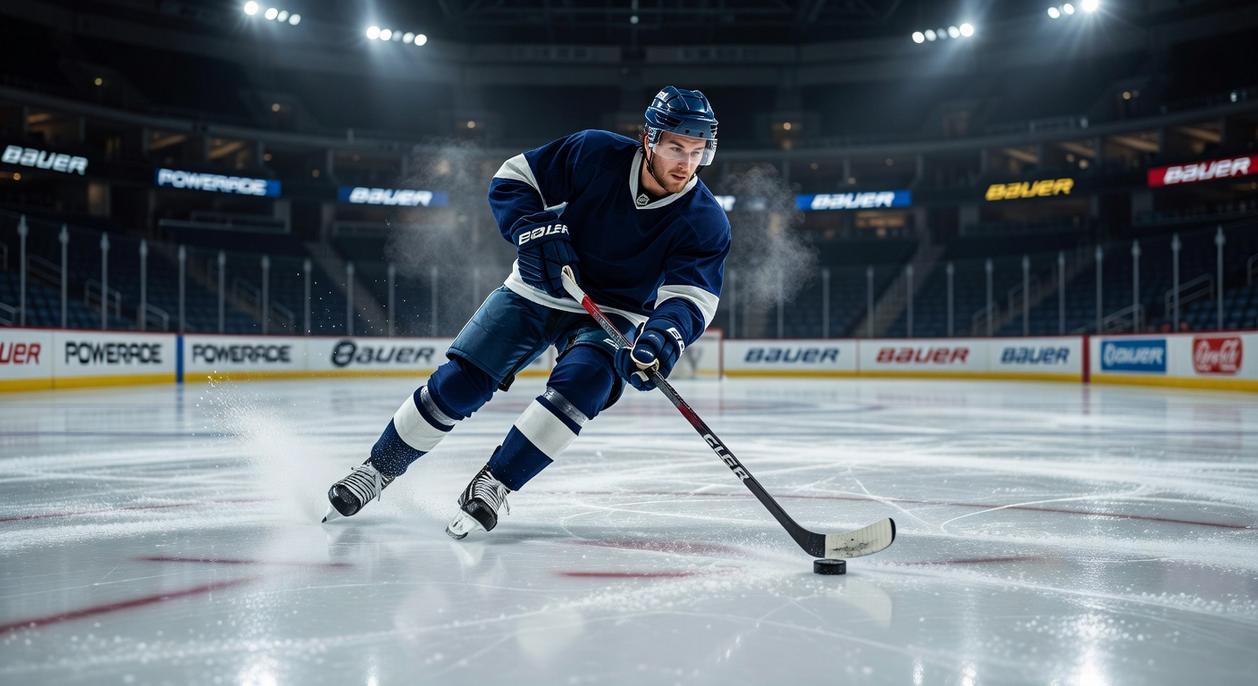
Individual skill can dazzle, but possession is a team ecosystem. In other words, it’s the ability of a group to maintain control of the puck through spacing, support, and timing—not just flashy hands. That’s where small-area games shine.
Drill 6: The Rondo (3-on-1 or 4-on-2)
First, consider the Rondo. Borrowed from soccer, this tight-space passing game forces offensive players to complete a set number of passes before defenders disrupt play. Support (staying within a safe passing lane) and immediate puck movement are everything.
Compared to traditional puck control drills, the Rondo emphasizes anticipation over isolation. Instead of beating a cone, you’re reading a defender’s stick angle and adjusting in real time. It’s chess, not checkers (and yes, the defender feels like they’re stuck in the middle of a pop quiz).
Some coaches argue Rondos lack “game realism” because there’s no net. Fair point. However, research in skill acquisition shows constrained, high-repetition environments accelerate decision-making speed (Davids et al., 2013). The payoff? Faster puck support under pressure.
Drill 7: Possession Piggyback
Now compare that with Possession Piggyback. Here, a turnover triggers a consequence: the losing team must touch a cone before defending. That brief delay creates a numbers advantage, reinforcing quick transitions.
If the Rondo builds patience, Piggyback builds punishment and reward dynamics. One teaches surgical puck security; the other teaches ruthless transition.
Pro tip: keep shifts under 40 seconds to maintain intensity and decision sharpness.
Ultimately, both games teach the same truth—possession isn’t about holding the puck. It’s about using teammates as pressure valves and striking before chaos resets.
Full-Ice Scenarios: Applying Possession in Game Situations
Small-area skills are great—until you have 200 feet of ice and a forechecker who had extra coffee. Full-ice possession means maintaining control through the neutral zone (the middle third of the rink) and entering the offensive zone with intention, not panic.
Drill 8: Controlled Breakout & Regroup forces poise under pressure:
- Five attackers vs. two forecheckers
- No dumping the puck (nice try)
- Regroup at the far blue line if pressured
It’s like upgrading puck control drills to “expert mode.” Teams that regroup instead of forcing plays generate more controlled entries—an edge linked to higher scoring chances (NHL EDGE data). Stay patient. The puck moves faster than tired legs.
Making Puck Possession Your Team’s Identity
By committing to these foundational and competitive puck control drills, you reinforce the exact habits players need to dominate possession. If your team has struggled with rushed decisions, constant turnovers, and chasing the play, this approach directly addresses that frustration. Structured repetition builds confidence with the puck, awareness under pressure, and the ability to use teammates effectively to maintain control.
You set out to create a team that dictates tempo instead of reacting to it—and now you have the blueprint.
Start today. Add one or two of these puck control drills to every practice and watch your team transform into a composed, possession-driven unit that controls the game shift after shift.
 William B. has opinions about hot topics in pro sports. Informed ones, backed by real experience — but opinions nonetheless, and they doesn't try to disguise them as neutral observation. They thinks a lot of what gets written about Hot Topics in Pro Sports, Pro Guides, Athlete Fitness and Endurance is either too cautious to be useful or too confident to be credible, and they's work tends to sit deliberately in the space between those two failure modes.
Reading William's pieces, you get the sense of someone who has thought about this stuff seriously and arrived at actual conclusions — not just collected a range of perspectives and declined to pick one. That can be uncomfortable when they lands on something you disagree with. It's also why the writing is worth engaging with. William isn't interested in telling people what they want to hear. They is interested in telling them what they actually thinks, with enough reasoning behind it that you can push back if you want to. That kind of intellectual honesty is rarer than it should be.
What William is best at is the moment when a familiar topic reveals something unexpected — when the conventional wisdom turns out to be slightly off, or when a small shift in framing changes everything. They finds those moments consistently, which is why they's work tends to generate real discussion rather than just passive agreement.
William B. has opinions about hot topics in pro sports. Informed ones, backed by real experience — but opinions nonetheless, and they doesn't try to disguise them as neutral observation. They thinks a lot of what gets written about Hot Topics in Pro Sports, Pro Guides, Athlete Fitness and Endurance is either too cautious to be useful or too confident to be credible, and they's work tends to sit deliberately in the space between those two failure modes.
Reading William's pieces, you get the sense of someone who has thought about this stuff seriously and arrived at actual conclusions — not just collected a range of perspectives and declined to pick one. That can be uncomfortable when they lands on something you disagree with. It's also why the writing is worth engaging with. William isn't interested in telling people what they want to hear. They is interested in telling them what they actually thinks, with enough reasoning behind it that you can push back if you want to. That kind of intellectual honesty is rarer than it should be.
What William is best at is the moment when a familiar topic reveals something unexpected — when the conventional wisdom turns out to be slightly off, or when a small shift in framing changes everything. They finds those moments consistently, which is why they's work tends to generate real discussion rather than just passive agreement.