
If you’re searching for how to become a pro hockey player, you’re likely serious about turning talent and passion into a real career on the ice. The path isn’t just about scoring goals or making highlight-reel plays—it’s about mastering fundamentals, building elite conditioning, understanding advanced tactics, and preparing mentally for the speed and pressure of high-level competition.
This article breaks down exactly what it takes to move from youth and amateur levels into the professional ranks. You’ll learn the development milestones scouts look for, the training habits that separate prospects from pretenders, and the off-ice preparation that fuels long-term performance.
Our guidance draws on in-depth analysis of pro hockey trends, modern training methods, tactical systems, and performance data used at elite levels of the game. Whether you’re an aspiring junior player or aiming for the pros, this roadmap will help you focus on what truly matters—and avoid the mistakes that stall promising careers.
Phase 1: Mastering the Fundamentals (Ages 6–14)
The Non-Negotiables
If you study NHL development data, a pattern jumps out: elite edge work, power skating, and puck control separate top prospects early. USA Hockey’s American Development Model emphasizes skating proficiency as the #1 predictor of long-term success (USA Hockey ADM). Why? Because speed without control is just chaos (think Mighty Ducks before the flying V worked).
Go beyond cones. Train tight turns under pressure, puck protection along the boards, and deceptive changes of pace.
- Edge control in traffic
- Explosive first three strides
- Puck handling with head up
Developing “Hockey IQ”
Hockey IQ means reading plays before they happen. Research in sports cognition shows elite athletes process game patterns faster than peers (Voss et al., 2010). Teach kids positioning, off-puck movement, and basic systems early. Film study—even 10 minutes a week—builds anticipation.
Choosing the Right Program
AAA isn’t automatically better. Studies on athlete burnout show excessive competition without skill focus limits growth (Jayanthi et al., 2013). Prioritize coaching quality, equal ice time, and skill repetition.
Off-Ice Habits
Introduce bodyweight strength, mobility, and sleep routines. Young athletes who sleep 8–10 hours show lower injury rates (AAP). Nutrition matters, too. Learning how to become a pro hockey player starts long before scouts watch.
Phase 2: The Junior Hockey Gauntlet (Ages 15–20)
This is where dreams either sharpen—or stall.
Navigating the Tiers
First, understand the ladder:
| Tier | Examples | Primary Pathway | Key Tradeoff |
|——|———-|—————-|————–|
| Major Junior | CHL (OHL, WHL, QMJHL) | Pro hockey | NCAA eligibility lost |
| Junior A | USHL, BCHL | NCAA Division I | Slightly less exposure than CHL |
| Junior B | Regional leagues | Developmental stepping stone | Fewer scouts |
Major Junior offers heavy scouting and pro-style schedules. However, once you sign, NCAA hockey is off the table (per NCAA eligibility rules, NCAA.org). Junior A preserves college options while still attracting NHL scouts—USHL alumni consistently produce NHL draft picks (USA Hockey data).
So how do you choose? If your goal is how to become a pro hockey player, the “best” route depends on your development timeline, not your ego. (Yes, that’s tough to hear.)
The Daily Grind
Next comes reality. A typical week includes 4–5 practices, 2–3 games, video sessions, travel, workouts, and schoolwork. Billet life, long bus rides, and 6 a.m. lifts aren’t glamorous. The frustration? Everyone was the star before. Now you’re fighting for third-line minutes.
Elevating Your Game
Because talent is everywhere, specialization matters. Faceoff dominance. Net-front screens. Shutdown defense. Coaches value reliability over flash. Consistency earns trust.
Pro tip: Track your shifts and grading metrics weekly—it builds self-awareness fast.
Mental Fortitude
Slumps happen. Ice time fluctuates. Homesickness creeps in. Mental skills coaching—visualization, breathwork, reset routines—improves performance under stress (Journal of Applied Sport Psychology).
And finally, learn the business side early. Read about understanding sports agents and player contracts before someone else negotiates your future.
It’s a gauntlet. But it’s also the proving ground.
Phase 3: Becoming an Elite Athlete (The Pro Mindset)
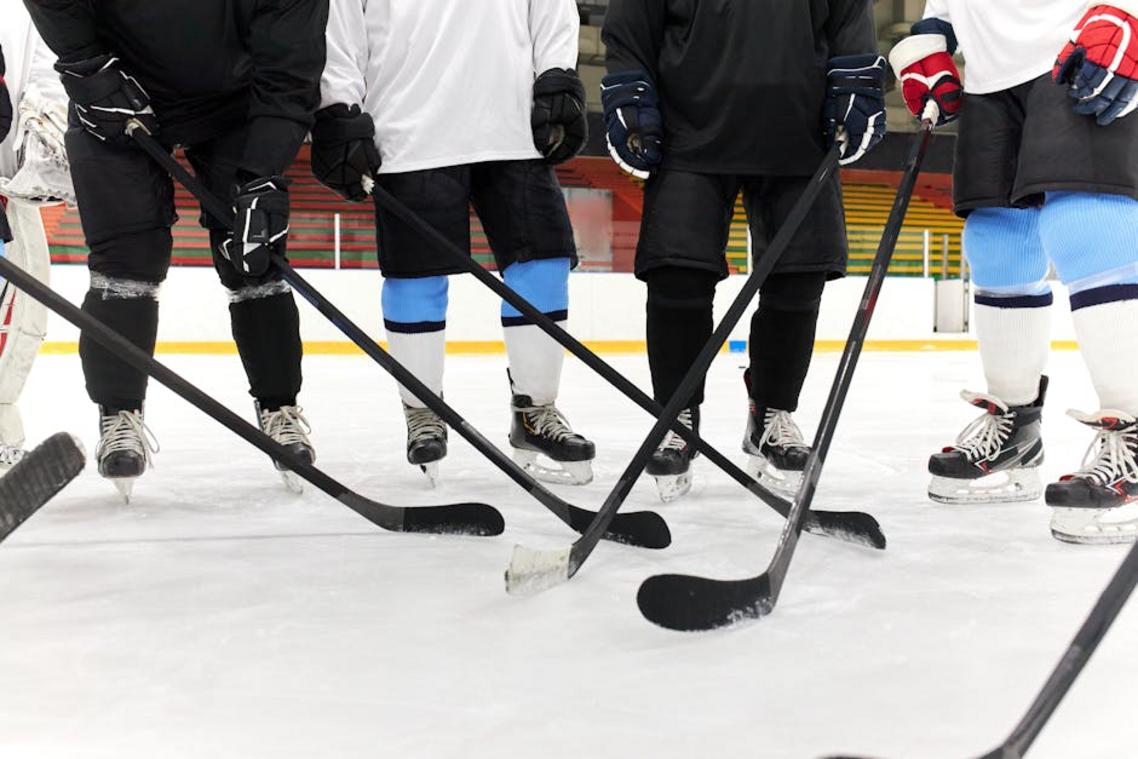
Training Like a Pro: The 200-Foot Game
At the elite level, talent is assumed. What separates players is commitment to the 200-foot game—meaning you impact every inch of the ice, not just the offensive zone. Defensive responsibility, board battles, and special teams execution become non-negotiable. While some argue natural scorers shouldn’t “waste energy” defending, NHL data consistently shows top playoff teams rank highly in two-way metrics like Corsi Against and penalty kill efficiency (NHL.com). In other words, pros defend first and attack second.
The Off-Season Is the “On-Season”
Contrary to popular belief, summer isn’t downtime—it’s separation season. A professional off-season blends:
- High-rep skill refinement under fatigue
- Periodized strength and power training
- Structured mobility and recovery blocks
Most programs miss one edge: integrating puck skills after heavy lifts to simulate late-game execution. That’s how to become a pro hockey player—not just stronger, but sharper under stress.
Mastering Film and Analytics
Next, study your shifts in 30-second clips. Track entry success rate, turnover location, and stick positioning. Pros don’t just watch film—they tag patterns. Small data creates big advantages.
Game Day Preparation
Finally, build consistency: carb-focused meals, timed hydration, visualization of first shifts, then dynamic warm-ups. Routine builds confidence (and confidence travels).
Phase 4: The Business of Hockey: Getting Noticed and Signed
Scouts track more than goals and assists. Yes, points matter—but IMPACT matters more. Do you win puck battles? Backcheck when you’re gassed? Elevate your line? A 2023 NHL Central Scouting report emphasized skating mechanics, decision-making speed, and compete level as primary evaluation pillars. In other words, are you coachable, consistent, and relentless (even on a Tuesday practice in February)?
Some argue raw talent always wins out. Occasionally, sure. But most prospects plateau without discipline and adaptability. Scouts notice body language after mistakes. They notice who stays late. That’s where careers tilt.
Understanding drafts is critical:
• NHL Entry Draft: rights held by a team
• CHL and USHL Drafts: development pathways, not guarantees
• Undrafted? Free agents can still earn contracts (just ask Tyler Johnson)
An agent or family advisor helps navigate contracts, combines, and leverage points. The BUSINESS side is real.
Attend showcases. Skate main camps. Visibility creates opportunity. If you’re serious about how to become a pro hockey player, treat exposure like training—intentional and strategic.
Take the Next Step Toward the Ice
You came here to understand how to become a pro hockey player, and now you have a clear roadmap. From mastering stick handling and sharpening your hockey IQ to building elite-level conditioning and preparing mentally for game day, you know what it really takes to compete at the highest level.
The gap between good and great isn’t talent alone — it’s consistent, focused execution. Most players struggle because they train without structure, miss key tactical details, or don’t prepare their bodies the right way. That frustration of working hard but not seeing results is real.
Now you know better.
The next move is yours: commit to a structured training plan, refine your on-ice decision-making, and train with purpose every single session. If you’re serious about standing out, study pro-level tactics, track your performance, and push beyond average standards.
Thousands of driven players trust our expert hockey insights to sharpen their edge. If you’re ready to stop guessing and start developing like a pro, dive deeper into our advanced guides and start training smarter today.