The landscape of competitive athletics is evolving faster than ever, and staying ahead means understanding the forces shaping professional sports trends 2026. From data-driven performance strategies and advanced recovery protocols to tactical innovations redefining hockey systems and game-day execution, the coming year promises measurable shifts that will impact athletes, coaches, and fans alike.
If you’re searching for a clear breakdown of what’s changing—and what it means for performance, preparation, and results—this article delivers exactly that. We analyze emerging patterns across pro leagues, evaluate how technology is influencing training and in-game decisions, and highlight the tactical adjustments gaining momentum.
Our insights are grounded in performance analytics, expert commentary from elite-level coaches and conditioning specialists, and close study of evolving competition models. The goal is simple: give you a practical, evidence-based look at where the game is heading so you can understand not just the headlines, but the strategy behind them.
The professional sports landscape is entering a reset. By 2026, four forces will dominate conversations around professional sports trends 2026: performance science, fan immersion, media economics, and athlete agency.
Performance Science means data-driven training—using biometrics (body data like heart rate variability) and AI modeling to reduce injuries.
- Fan Immersion refers to augmented broadcasts and real-time stats overlays that turn viewers into participants.
- Media Economics covers streaming bundles, micro-rights deals, and direct-to-consumer packages.
- Athlete Agency describes players negotiating creative control, from NIL extensions to equity stakes.
Some argue sports never change. Yet models and locker-room dynamics prove otherwise.
Beyond the Eye Test: AI and Biometrics Redefining Peak Performance
The era of judging athletes purely by the “eye test” is fading. In its place: AI-driven, hyper-personalized performance systems that adapt to each player’s physiology in real time.
From Team Metrics to Individual Intelligence
Traditionally, analytics focused on team-wide trends—possession rates, shot differentials, zone entries. Valuable? Absolutely. But limited. Today’s systems create individualized training, recovery, and nutrition plans powered by machine learning models that analyze sleep cycles, heart rate variability (HRV), and workload tolerance. Instead of a generic practice intensity, one defenseman might receive reduced reps while another increases sprint intervals—maximizing output while minimizing overtraining.
Some argue this level of personalization overcomplicates preparation. After all, hockey legends thrived without biometric dashboards. True—but modern seasons are faster and denser. Marginal gains now separate playoff teams from lottery squads.
Real-Time Biometric Integration
Wearable sensors embedded in jerseys and equipment monitor:
- Player load and acceleration spikes
- Hydration levels
- Core fatigue indicators
During games, coaching staff can adjust shifts based on objective fatigue data, not guesswork. The benefit? Smarter substitutions and measurable injury prevention.
Predictive Injury Modeling
Machine learning models analyze stride asymmetry and joint stress patterns to flag elevated injury probability weeks in advance. Extending careers by even one season represents millions in preserved contract value.
Tactical AI in Action
With puck and player tracking, teams now identify micro-patterns in a goalie’s lateral recovery speed. AI-generated scouting reports highlight subtle glove-side delays, shaping shooting strategies accordingly.
These systems aren’t futuristic experiments—they’re defining professional sports trends 2026, where data doesn’t replace instinct, but sharpens it.
More Than a Spectator: The Gamification of the Fan Experience
The modern sports fan doesn’t just watch. They interact. And that shift is redefining what game day means.
The Rise of Augmented Reality (AR) Broadcasting
Augmented Reality (AR)—the layering of digital elements over the real world—turns your living room into a tactical command center. Using a phone or smart glasses, fans can see real-time player stats, shot trajectories, and defensive formations projected directly onto the ice. Think of it like a video game HUD (heads-up display), but for live hockey.
The benefit? Deeper understanding in real time. Instead of guessing why a line change happened, you see stamina metrics and matchup data instantly. As explored in how advanced analytics is changing pro sports strategy, data isn’t just for coaches anymore—it’s for fans who want smarter insight.
Interactive and Personalized Viewing
League-owned streaming apps now offer helmet-cams, ref-cams, and bench angles. This level of personalization means you control the narrative. Want to follow a rookie’s every shift? You can. Prefer goalie perspective during a shootout? One tap.
The upside is simple: you watch the game your way, increasing engagement and emotional investment.
Seamless In-Game Betting Integration
Live odds and one-click betting—where wagers are placed instantly within the broadcast interface—turn passive viewing into active participation. Critics argue this distracts from the purity of the sport. Fair point. But for many fans, micro-bets on the next goal scorer heighten focus, not diminish it.
The In-Stadium Second Screen
Even in the arena, apps deliver instant replays, advanced stats, and mobile concession ordering. Less time in line. More time watching.
These innovations reflect broader professional sports trends 2026, where the reward is clear: more control, more context, and a richer fan experience overall.
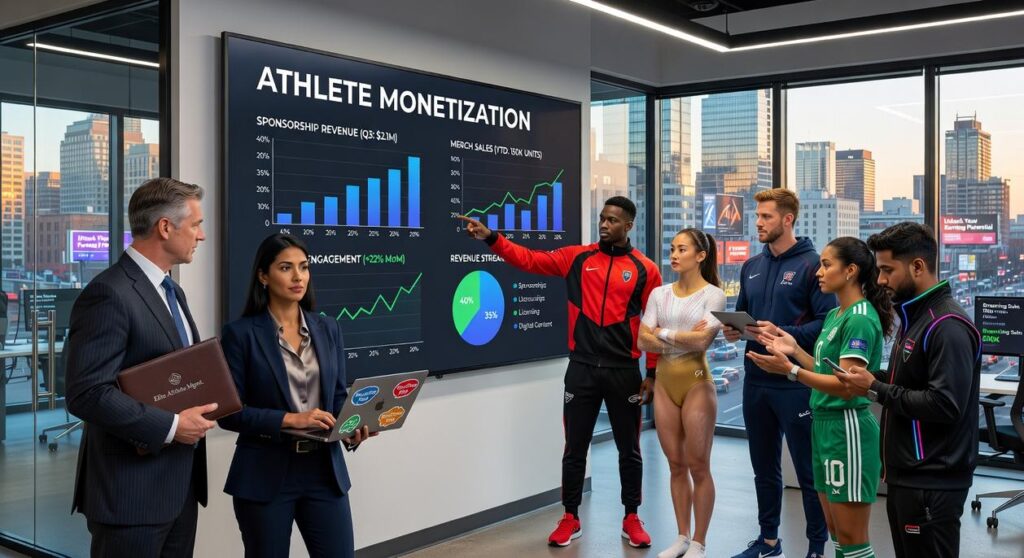
The Athlete as CEO: Leveraging Personal Brands and Direct Monetization
Not long ago, athletes signed endorsement deals, smiled for a commercial, and called it a day. Now? They’re asking for equity. Instead of just cashing checks, players negotiate ownership stakes in the brands they promote—meaning if the company wins, they win bigger. (It’s the difference between renting the spotlight and owning the stadium.) Some critics argue this is risky—why tie your reputation to a startup’s balance sheet? Fair point. But equity transforms athletes from spokespeople into strategic partners, aligning incentives for long-term growth rather than one-off paydays.
Meanwhile, athletes are building direct-to-fan media empires. Through podcasts, docuseries, and subscription platforms, they control the narrative—no headline spin required. Think less “post-game soundbite,” more full production studio. Why let someone else tell your story when you can monetize it yourself?
And then there’s the surge in athlete-led ventures, a defining feature of professional sports trends 2026:
- Investment funds targeting sports tech and wellness startups
- Apparel brands built around performance insights
- Tech platforms designed to enhance training and fan engagement
Skeptics say athletes should “stick to sports.” But increasingly, sports is business—and today’s stars are playing both games remarkably well.
Navigating the Future of Sports Entertainment
Streaming Fragmentation and the Search for Content
Fans today aren’t just cheering for teams—they’re juggling subscriptions. As media rights splinter across platforms, following a single season can require multiple apps, logins, and monthly fees. This “streaming fragmentation” means leagues sell rights to different distributors, often splitting regular season, playoffs, and special events. The result? Higher cumulative costs and confusion about where games actually air. A practical fix: map out your must-watch competitions before subscribing, and look for bundled deals or annual plans to cut costs.
The Globalization of Niche Sports
Direct-to-consumer (DTC) platforms—services that stream directly to fans without cable middlemen—are changing the game. Sports like lacrosse and handball, once regionally confined, now cultivate global audiences through targeted content and community building. If you’re exploring emerging leagues, start by following official league apps and social channels for localized viewing options and condensed replays (perfect for different time zones).
League-Owned Media Houses
Major leagues are evolving into content studios, producing documentaries, behind-the-scenes series, and athlete-driven shows. Think less “just the game” and more year-round storytelling (very “Hard Knocks” energy). This shift reflects broader professional sports trends 2026, where leagues control both distribution and narrative. For fans, that means:
- More exclusive content
- Deeper tactical analysis
- Expanded global access
Understanding these shifts helps you budget smarter and discover sports you didn’t know you loved.
Stay Ahead of the Game in 2026
You came here to understand where the game is headed — from evolving tactics to athlete conditioning and the impact of professional sports trends 2026 on hockey performance. Now you have the insights to read the ice differently, train smarter, and prepare with purpose.
The reality is this: hockey is faster, more technical, and more demanding than ever. Players who ignore emerging trends in stick handling, recovery science, and game-day preparation risk falling behind. Coaches who fail to adapt their systems will struggle against faster, data-driven competition.
The good news? You don’t have to guess your way forward.
Take what you’ve learned and apply it immediately. Refine your training plan. Upgrade your tactical approach. Study the trends shaping elite performance and build them into your routine.
If you’re serious about elevating your game, dive deeper into our expert breakdowns, drills, and performance strategies trusted by competitive players and coaches. Get the edge, sharpen your skills, and stay ahead of the competition — start training smarter today.