Hockey is evolving faster than ever, and staying competitive means understanding more than just the basics of the game. From emerging pro sports trends to refined stick handling techniques and elite-level conditioning, today’s players and fans are looking for deeper insight into what actually drives performance on the ice. This article is designed to break down the tactics, preparation methods, and sports analytics strategy shaping modern hockey, so you can see the game the way top teams and serious athletes do.
Whether you want to sharpen your hockey IQ, improve game day preparation, or understand how data is influencing coaching decisions, you’ll find clear, actionable insights here. Our analysis draws from current professional trends, performance research, and proven on-ice methodologies to ensure you’re getting reliable, experience-backed guidance—not just opinion. By the end, you’ll have a sharper perspective on how strategy, skill development, and preparation come together to create winning hockey.
From Gut Instinct to Data-Driven Dominance
There was a time when a coach’s gut ruled the locker room. If it felt right, it was right. But in today’s game—decided by inches and milliseconds—intuition alone won’t cut it. Data now shapes everything from shift length to shot selection.
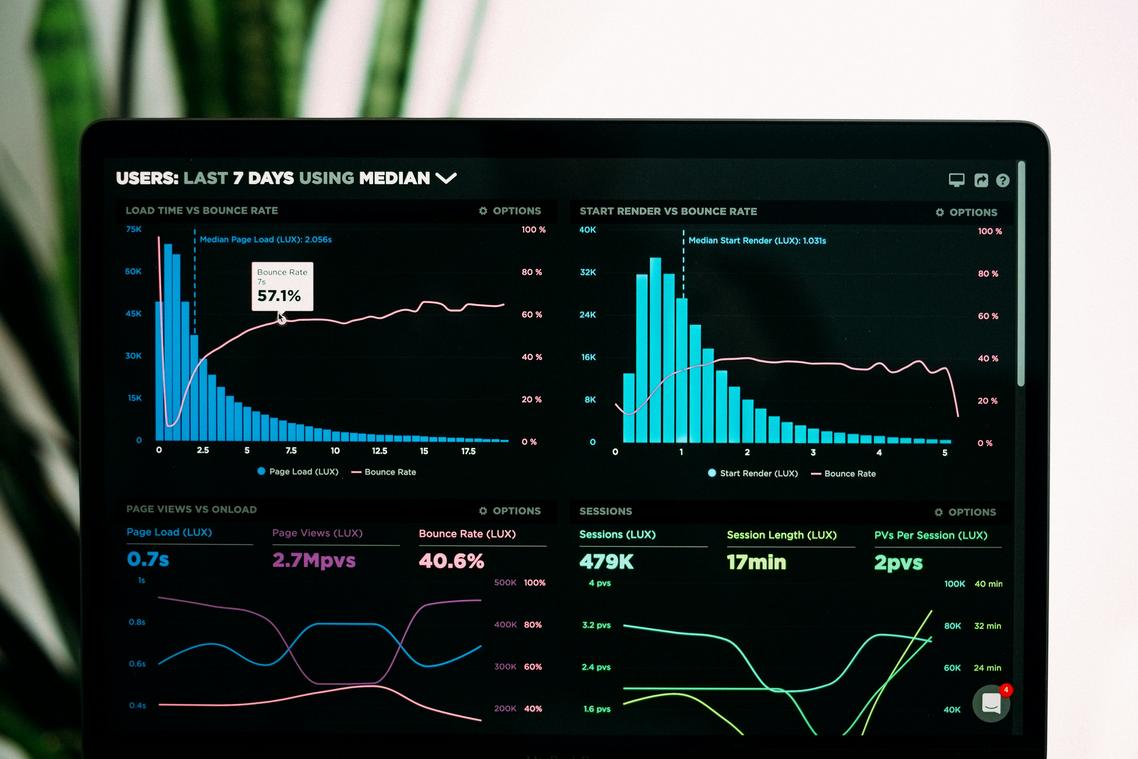
The difference? Sports analytics strategy turns raw numbers into repeatable advantages. Teams track workload, recovery rates, and puck possession trends to fine-tune decisions that once relied on hunches.
- Focus on measurable performance indicators before making tactical changes.
What’s next? Ask yourself: Are you collecting the right data—and more importantly, acting on it?
Understanding the Athlete’s Digital Footprint
An athlete’s digital footprint is the complete trail of data generated on and off the field. In simple terms, sports analytics is the process of collecting, analyzing, and interpreting performance data to improve results and reduce risk. Think of it as turning raw numbers into smarter decisions (because “trust your gut” only works in sports movies).
So what actually makes up this footprint?
-
Biometric Data
Wearables track heart rate variability, sleep cycles, and physical strain. These metrics help coaches spot overtraining before it becomes burnout. For example, a spike in resting heart rate paired with poor sleep often signals recovery trouble (National Institutes of Health research links sleep quality to athletic performance outcomes). -
Positional & Tracking Data
GPS sensors and video systems map speed, acceleration, and distance covered. In hockey, heat maps reveal zone time and shift efficiency—critical for line adjustments mid-game. -
Performance-Specific Metrics
Shot velocity, pass accuracy, reaction time, and face-off win rates quantify skill execution. Over time, patterns emerge that shape a smarter sports analytics strategy.
Critics argue data can overcomplicate instinct-driven sports. Fair point. However, when used correctly, analytics sharpen instinct rather than replace it—like having instant replay for every practice rep. The competitive edge lies not in collecting more data, but in connecting it in ways others overlook.
Strategy 1: Fine-Tuning Individual Performance and Preventing Injury
If you’re still judging workload by “minutes played,” you’re already behind. Objective Load Management goes deeper—tracking high-intensity skating bursts, acceleration spikes, collision impact, and heart-rate variability to pinpoint fatigue thresholds. Research shows non-contact injuries are strongly linked to workload spikes rather than total volume alone (Gabbett, 2016, British Journal of Sports Medicine). So here’s the recommendation: monitor explosive efforts per shift, not just ice time. When bursts decline but perceived exertion rises, pull back before the hamstring pulls you back.
For a broader framework, review the rise of player load management across major leagues and apply those principles directly to hockey-specific demands.
Next: Micro-Skill Refinement. High-speed cameras (recording 240+ frames per second) and wearable sensors reveal inefficiencies invisible to the naked eye. For example, analyzing weight transfer during a slapshot often uncovers premature hip rotation, bleeding power. Or measuring puck-on-stick time during a deke may show wasted milliseconds (and at game speed, milliseconds are everything). My advice? Break mechanics into measurable checkpoints—ankle flexion angle, stick flex timing, blade contact duration. Adjust one variable at a time.
Finally, Personalized Training Protocols. Biometric feedback—sleep scores, HRV, neuromuscular readiness—should dictate daily programming. If readiness drops below baseline, swap max-effort lifts for mobility and tempo work. Train the athlete in front of you, not the spreadsheet. Pro tip: build weekly plans that flex 10–15% based on daily data inputs.
This is sports analytics strategy in action—precision over guesswork, prevention over rehab.
Strategy 2: Sharpening Team Tactics and In-Game Execution
Winning at higher levels isn’t about skating harder. It’s about thinking sharper.
Advanced Opponent Scouting
Most teams watch film. Smart teams extract patterns. Advanced opponent scouting goes beyond highlights and into statistical tendencies—repeatable behaviors that show up under pressure. For example, NHL power-play units often favor specific formations like the 1-3-1 setup because it maximizes cross-ice passing lanes (NHL coaching reports frequently cite formation efficiency data). If you know a goalie struggles with high blocker shots off lateral movement, that’s not trivia—that’s opportunity.
The benefit? You’re no longer reacting. You’re anticipating. (And anticipation in hockey is basically time travel.)
Optimizing Player Pairings & Lines
Chemistry isn’t just a “vibe.” Metrics like Corsi and Fenwick—which measure shot attempt differentials—help quantify puck possession and offensive pressure (per Hockey-Reference analytics definitions). If a defensive pairing consistently drives positive shot attempts while limiting chances against, that’s sustainable impact.
Using sports analytics strategy, coaches can:
- Identify undervalued line combinations
- Reduce defensive-zone breakdowns
- Maximize high-danger scoring chances
The upside for players? More time in the offensive zone. More structured support. More scoring opportunities. Less scrambling.
Real-Time Tactical Adjustments
Tablets on the bench now deliver live shift data, matchup trends, and fatigue indicators. Coaches can spot a flagging defender or exploit a weak-side coverage gap immediately. Evidence-based decisions replace gut-only calls.
Some argue hockey is too fluid for data-driven adjustments. But the numbers don’t replace instinct—they refine it. (Even elite shooters study tape before Game 7.)
The result is simple: faster adjustments, smarter matchups, and a measurable edge when the margin for error is razor thin.
Predictive injury modeling is changing benches everywhere. By analyzing cumulative load, biometric stress signals, and movement patterns, AI systems can flag elevated risk before a hamstring pops. That means fewer sidelined starters and smarter practice plans.
Meanwhile, automated play recognition scans hours of game film and instantly tags successful zone entries, breakouts, or forecheck pressures—freeing coaches to focus on teaching, not scrubbing timelines.
Most importantly, simplified apps now bring sports analytics strategy to youth and amateur teams. The upside? Faster decisions, clearer feedback, and a competitive edge once reserved for pros. Smarter data, better results. Competitive advantage starts early.
Making Every Play Count
Coaching by instinct alone (the classic “eye test”) feels pure, almost cinematic. But EYE TEST vs DATA-DRIVEN DECISIONS tells a different story. One relies on memory and gut; the other layers experience with evidence. Data analytics doesn’t sideline expertise—it sharpens it, turning informed hunches into high-probability calls.
Rely only on observation, and subtle workload spikes or matchup inefficiencies slip through the cracks. Integrate a sports analytics strategy, and you optimize player health, refine tactics, and build a culture of continuous improvement. It’s not tradition OR tech. It’s tradition PLUS tech—the new standard for competitive excellence today.
Take Control of Your Game Day Edge
You came here looking for clarity on how to elevate your performance, sharpen your tactics, and stay ahead in today’s fast-evolving hockey landscape. Now you understand how smarter preparation, refined stick handling, targeted fitness work, and a disciplined sports analytics strategy can transform the way you compete.
The truth is, falling behind on modern tactics and data-driven adjustments is no longer an option. The game is faster. Opponents are more prepared. Margins are thinner. If you’re not actively refining your approach, you’re giving up your edge.
The good news? You don’t have to guess your way forward. With the right insights, structured training focus, and performance analysis, you can step onto the ice confident, prepared, and tactically sharp.
Now it’s your move. Start applying these strategies in your next practice. Break down your shifts. Track your progress. Commit to smarter preparation. Join the athletes who train with purpose and play with precision—because the next level of your game starts with the decisions you make today.