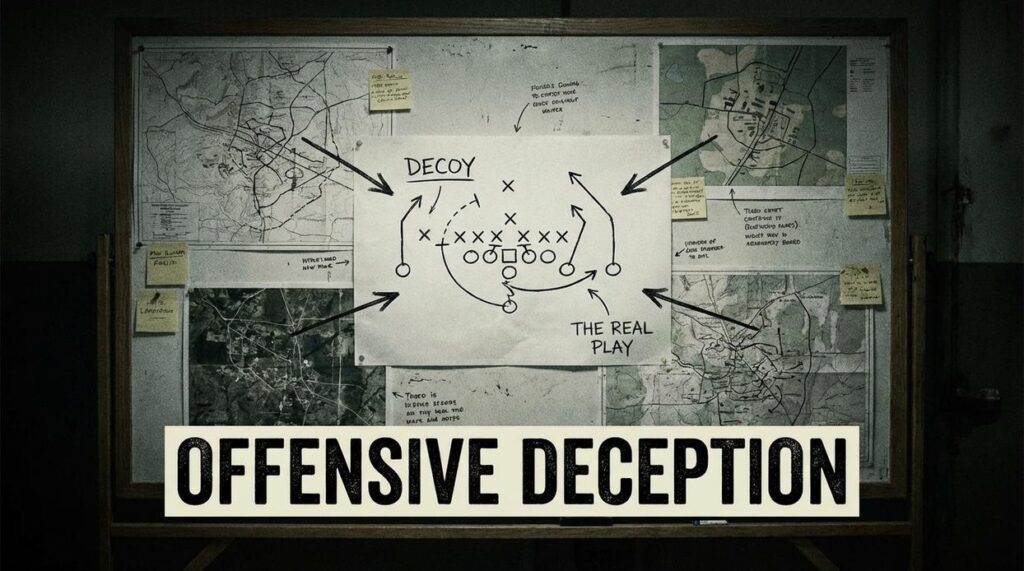
If you’re looking to elevate your performance on the ice, mastering elite puck handling decision making is the skill that separates consistent playmakers from predictable skaters. Modern hockey moves fast—defenders close gaps in seconds, passing lanes disappear instantly, and every touch of the puck demands a smart, calculated choice. This article is built for players and coaches who want practical, game-ready insights into improving puck control under pressure, reading defensive structures, and making high-percentage plays in real time.
We break down the tactical principles behind quick processing, spatial awareness, and stick positioning, drawing on analysis of professional game footage, current pro-level tactics, and performance research used in high-level training environments. You’ll learn how to anticipate pressure, protect possession along the boards, and turn tight situations into scoring opportunities.
Whether you’re preparing for game day or refining your in-season training, this guide delivers actionable strategies you can apply immediately.
Beyond the Basics: Unlocking Elite Puck Control and On-Ice Vision
Many players can dangle, yet stall when pressure closes in. The fix isn’t more tricks; it’s connecting hands and head. Start by scanning before the puck arrives, then handle with purpose, not panic. This blend of elite puck handling decision making creates time and space.
To train it, layer skills:
- Add a read, like calling out a teammate’s option, during drills.
- Shrink space with cones to force quicker choices.
- Finish every rep with a shot or pass.
However, some argue IQ is innate. In reality, repetition under constraints builds anticipation (pro tip: film sessions daily).
The Mechanics of Mastery: Puck Handling Under Pressure
Great puck handlers aren’t born with magic hands—they build them. It starts with soft hands, the ability to absorb and control the puck without it bouncing off your blade. At the center of this is the top hand principle: your top hand dictates control and range of motion, while your bottom hand provides stability and power. Think of the top hand as the steering wheel and the bottom hand as the engine. Ever notice how elite players can dangle in a phone booth? That’s top-hand dominance.
One simple drill: practice one-handed stickhandling using only your top hand. Move the puck in tight patterns, then wider sweeps. It feels awkward at first (borderline humbling), but it builds strength and touch fast.
Deceptive Stickhandling: Head Up
Can you handle the puck without staring at it? If not, you’re playing half-blind. Keeping your eyes forward allows you to process the ice—teammates cutting backdoor, defenders overcommitting, open lanes forming. This is where elite puck handling decision making separates playmakers from passengers. You’re not just avoiding hits; you’re anticipating them.
Mastering Puck Protection
Under pressure, positioning is everything. Along the boards, pin your inside shoulder toward the defender and keep the puck on the outside hip. In open ice, widen your stance and use your free arm to create space (legally). During tight turns, rotate your hips and pull the puck into the “safe zone”—away from poke checks and toward your skates.
Have you ever wondered why some players seem untouchable? It’s not luck. It’s leverage, awareness, and control working together.
The Art of Deception: Turning Stick Skills into Scoring Chances
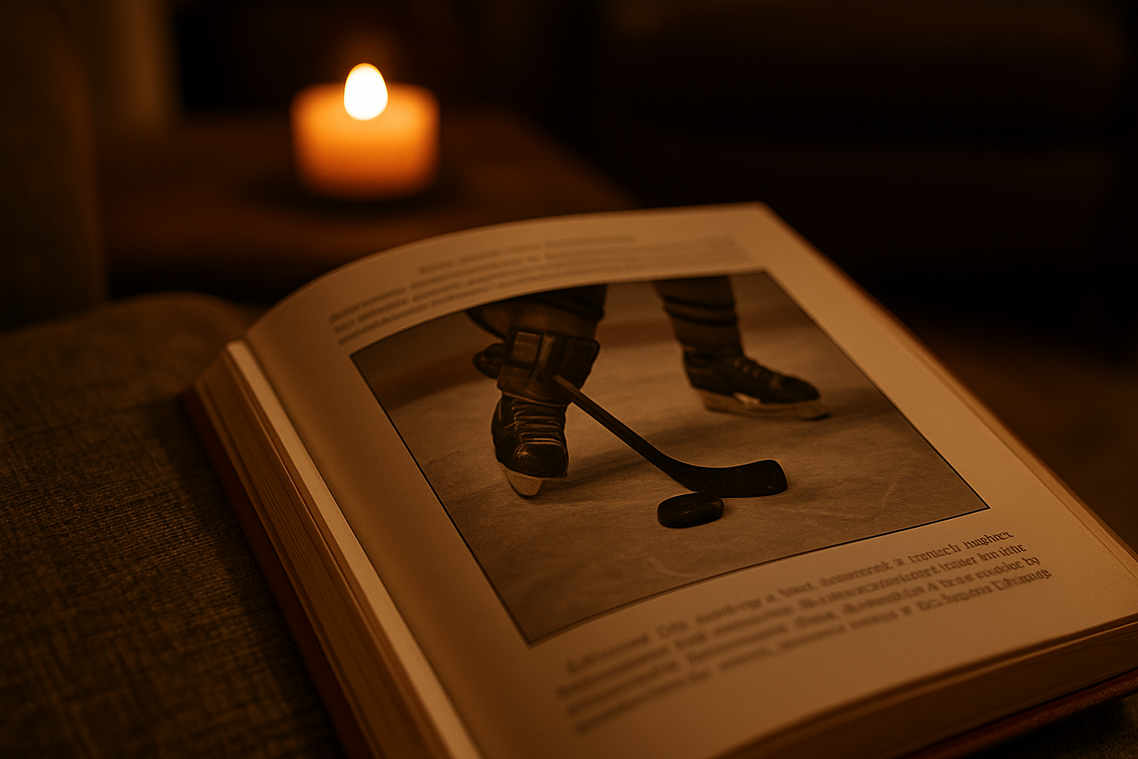
Selling the Fake: Using Your Eyes, Hips, and Shoulders
Great hands are nice. Great deception wins games. The difference? Your whole body tells the story.
True deception means selling a lie so well the defender buys it with interest. Your eyes are the headline. Look off a pass to freeze a goalie, then snap the puck far side. (Yes, goalies track your gaze—they’re paranoid for a reason.) A subtle shoulder dip or hip turn reinforces the fake. When your upper and lower body agree on the lie, defenders commit. That split-second commitment is your opening.
Some argue that quick hands alone are enough. But at higher levels, defenders read patterns, not just puck movement. Without body language, your fake is just theater rehearsal—no one’s convinced.
Changing Pace and Rhythm to Disrupt Defenders
Speed matters. Variation matters more.
Elite puck handlers often slow the game down, lulling defenders into comfort with controlled touches. Then—boom—an explosive acceleration. That sudden tempo shift creates separation. Think of it like stand-up comedy: timing makes the punchline land (and yes, your crossover is the punchline).
Pro tip: practice rhythm changes deliberately, not randomly. Structured reps like these advanced stickhandling drills to improve puck control sharpen elite puck handling decision making under pressure.
Creating Space with Purposeful Moves
There’s dangling for the highlight reel—and dangling with intent.
Every move should answer a question: Am I improving my shooting angle? Opening a passing lane? Pulling a defender out of position? If not, you’re just decorating the ice.
Counterpoint: creativity fuels unpredictability. True—but creativity without purpose wastes possession. The best players blend flair with function. They don’t just beat defenders. They make them look unsure why they stepped up in the first place.
Processing the Game: How to Develop Pro-Level Hockey IQ
Anticipation vs. Reaction: Seeing the Play Before It Happens
First, let’s define pattern recognition—the brain’s ability to identify recurring situations and predict what comes next. In hockey, that means reading a 2-on-1 rush and already knowing the weak-side defender will slide early. Elite players aren’t magicians; they’re historians of the game. They’ve seen the movie before.
Some argue hockey is pure instinct. I disagree. Instinct is usually memory in disguise. Watch NHL breakouts and you’ll notice predictable layers of support (NHL EDGE data has shown structured exits increase possession rates significantly). So instead of just playing, study. Pause games. Track where the puck goes under pressure. Over time, you’ll start anticipating two or three touches ahead.
Systematic Scanning: The “Shoulder Check” Habit
Next, build the habit of scanning. A shoulder check is a quick look over both shoulders to gather information before receiving the puck. Do it before, during, and after possession. Think of it as updating your internal GPS every few seconds.
Yes, some players say it slows them down. In my experience, the opposite is true. The more you scan, the calmer you feel (and calm players make faster decisions). Watch Cale Makar—his head moves constantly.
High-Percentage Decision Making: When to Make the Simple Play
Finally, understand risk vs. reward. High-percentage plays are decisions that statistically maintain possession and reduce turnover risk. Sometimes the smartest move is a soft chip off the glass—not a cross-ice hero pass.
Flashy highlights are fun. Winning shifts are better. True elite puck handling decision making means recognizing when simple advances the game more than spectacular ever could.
Integrating Skill and Strategy into Your Game
When your skates carve the ice and you hear that sharp hiss beneath you, the game slows down. True impact happens when hands, feet, and mind move as one. Puck control without awareness is just stickhandling in place; awareness without execution dies on your blade. That’s where elite puck handling decision making separates playmakers from passengers.
Try small-area 2v1 or 3v2 battles where space feels tight and bodies close fast. Add a coach’s visual signal before every pass or shot so your eyes must scan, process, react. The puck should feel alive on your stick, vibrating with every touch, demanding intention.
Adopt a pro’s feedback loop: practice the skill, apply it in games, review video, refine. Watch how the play looked, sounded, unfolded. Then adjust edges, timing, choices. Repeat relentlessly.
Mastery smells like cold ice and hard work.
Take Control of the Ice With Confidence
You came here to sharpen your understanding of what separates average players from true difference-makers on the ice. Now you’ve seen how positioning, anticipation, and elite puck handling decision making work together to create space, control tempo, and outplay opponents under pressure.
The real pain point for most players isn’t effort — it’s inconsistency. Missed reads. Rushed touches. Turnovers at the worst possible moment. That’s what keeps talented athletes from leveling up. When your puck control and decisions become automatic and precise, the game slows down and your impact skyrockets.
Now it’s time to put this into action. Commit to focused stick-handling reps, game-speed decision drills, and film review that sharpens your hockey IQ. Don’t just practice — practice with intent.
If you’re serious about dominating possession and elevating your performance, start training smarter today. Join the #1 trusted resource for competitive hockey development and get expert-backed drills, tactical breakdowns, and performance strategies designed to give you the edge. Get started now and turn every shift into an advantage.