If you’re looking to sharpen your edge on the ice, this article delivers exactly what you need: practical, performance-driven insights into hockey tactics, stick handling mastery, athlete conditioning, and game day preparation. Whether you’re a competitive player or a dedicated fan of pro sports trends, understanding how elite athletes train, fuel, and execute can transform the way you approach the game.
We break down modern hockey systems, highlight effective skill-development drills, and explore the science behind pre-game nutrition strategies that support speed, endurance, and recovery. Every section is built around real-world application—what works, why it works, and how you can implement it immediately.
Our guidance draws on extensive analysis of professional gameplay, evolving tactical frameworks, and evidence-based fitness principles used at the highest levels of competition. If your goal is smarter play, sharper skills, and stronger performance on game day, you’re in the right place.
Fueling for Peak Performance: Your Pre-Game Nutrition Blueprint
The difference between a game-winning play and a costly mistake often starts with what you ate hours earlier. However, many athletes train like Rocky but fuel like it’s a random Tuesday. Consequently, energy crashes and mental fog creep in. Elite-level pre-game nutrition strategies prioritize carbohydrates for glycogen — your muscles’ stored fuel — plus moderate protein and low fat. For example, a turkey sandwich and fruit three hours before puck drop stabilizes blood sugar. Meanwhile, hydration prevents cramping. Think of it as assembling your Avengers-level lineup: every nutrient has a role defined.
The science of high-performance fuel is straightforward, but I think too many athletes overcomplicate it. At its core are three macronutrients (nutrients your body needs in large amounts): carbohydrates, protein, and fats. Each plays a distinct role.
- Carbohydrates are your primary, fast-acting fuel source. They break down into glucose and refill glycogen, the stored form of glucose in muscles and liver.
- Protein supports muscle preparation and recovery, repairing fibers stressed by hard shifts.
- Healthy fats deliver sustained, slow-release energy for longer efforts.
In my view, the real goal is topping off glycogen stores before competition. When those stores are full, explosive sprints and powerful shots feel sharper (think playoff overtime intensity). That is why smart pre-game nutrition strategies matter more than trendy supplements.
Equally important, hydration is non-negotiable. Research shows that even a 2% drop in hydration can impair strength, speed, and cognitive function (American College of Sports Medicine). And honestly, waiting until warmups to chug water is a rookie mistake. Proper hydration begins the day before, supporting nutrient transport, temperature regulation, and cramp prevention.
Fuel with intention, hydrate early, and performance follows. Your body will thank you when the puck finally drops on game night lights.
The Game Day Countdown: A Nutrition Timeline
Understanding the right pre-game nutrition strategies can significantly enhance an athlete’s performance on the court, much like the insights shared in our recent analysis of player statistics in the 2022 Sffarebasketball Sportsfanfare – for more details, check out our Statistics 2022 Sffarebasketball Sportsfanfare.
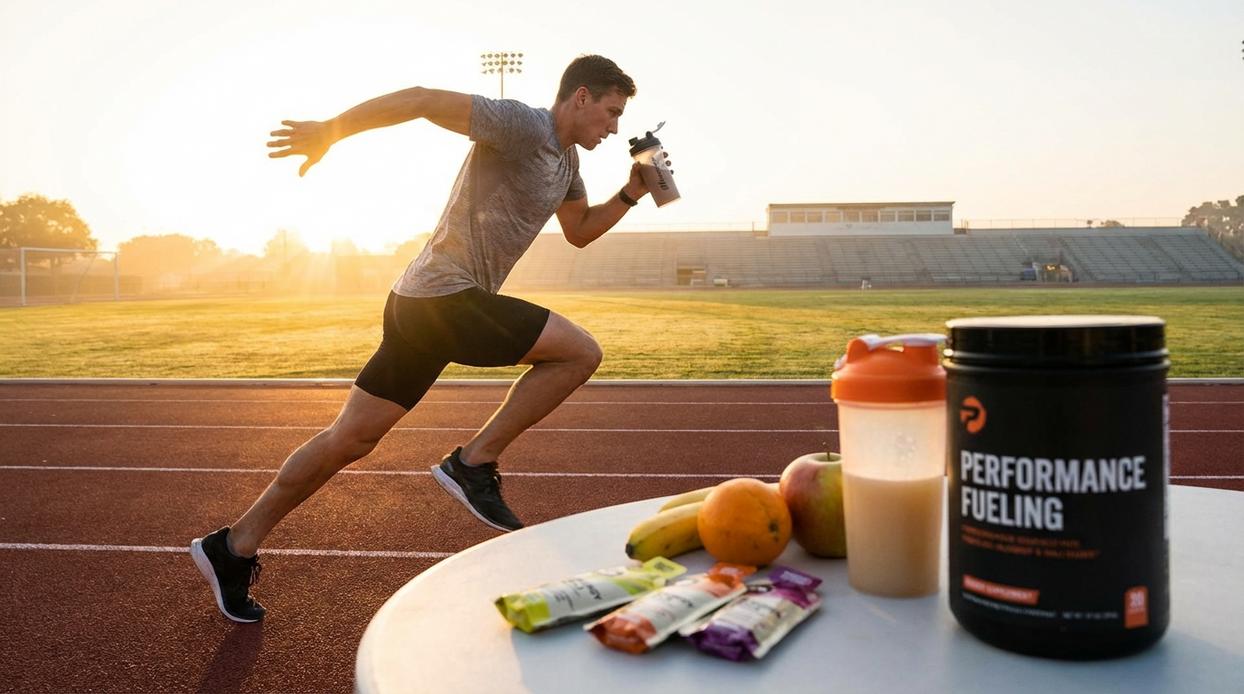
Fueling for competition isn’t guesswork—it’s physiology. Your muscles store energy as glycogen (the stored form of carbohydrates your body taps during high-intensity effort). When glycogen runs low, performance drops. Research shows athletes who begin competition with full glycogen stores perform longer at higher intensities compared to those who don’t carb-load properly (Journal of Applied Physiology, 2011).
24 Hours Out: Build the Energy Base
Focus on complex carbohydrates like whole grains, sweet potatoes, and quinoa to begin the carb-loading process. Maintain consistent hydration by sipping water throughout the day. Studies suggest that even 2% dehydration can impair performance, particularly in skill-based sports requiring precision (American College of Sports Medicine).
Some argue carb-loading is unnecessary for games under 90 minutes. That’s partially true for low-intensity activity. But hockey, basketball, and similar stop-and-go sports rely heavily on glycolytic bursts—meaning stored carbohydrates still matter.
The Main Pre-Game Meal (3–4 Hours Before)
This is your most important fuel-up. The goal is to consume a meal rich in complex carbohydrates, with a moderate amount of lean protein, and very low in fat and fiber to ensure easy digestion. High fat and fiber slow gastric emptying (translation: food just sits there).
Meal Examples:
- Grilled chicken breast with a large portion of brown rice and steamed green beans
- Salmon with a baked sweet potato
- Whole-wheat pasta with a lean turkey meat sauce
According to the International Society of Sports Nutrition (2017), combining carbohydrates with moderate protein supports sustained energy and muscle preservation.
The Final Top-Off (30–60 Minutes Before)
This is a small, easily digestible snack designed to give you a final energy boost without weighing you down.
- A banana
- A small bowl of oatmeal
- A handful of pretzels
- A sports gel specifically designed for pre-activity consumption
These rapidly digesting carbohydrates help maintain blood glucose levels during warm-ups. Think of it as topping off the tank (not cramming it full). Done right, smart pre-game nutrition strategies can be the quiet difference between fading late—and finishing strong.
Building Your Optimal Pre-Game Plate
What you eat before a game can either fuel a highlight reel—or a nap on the bench. Your body needs the right mix of nutrients to stay explosive, focused, and fast.
Start with complex carbs like oats, brown rice, quinoa, whole-wheat bread, or sweet potatoes. Complex carbs are slow-digesting carbohydrates that provide steady energy instead of quick spikes (think marathon battery, not phone at 2%). According to the American College of Sports Medicine, carbohydrates are a primary fuel source for high-intensity performance.
Add lean proteins such as chicken breast, turkey, fish, eggs, or tofu. Protein supports muscle repair and stabilizes energy levels—because nobody wants their legs quitting before the third period.
For a final boost, choose simple carbs like bananas or applesauce. These digest quickly and top off glycogen stores without sitting heavy.
Now, what to avoid? High-fat, fried foods slow digestion. Excess fiber can cause bloating (not the kind of “full” you want). Sugary drinks may spike blood sugar, then crash it mid-game. And spicy food? Save it for after the win.
Smart pre-game nutrition strategies pair physical fuel with focus—just like reviewing mental preparation techniques before a big match. Train your plate like you train your stick skills.
Pro tip: Test meals in practice weeks, not championship day.
Hydration starts the day before, when the water tastes clean and cool and your muscles already feel looser. Sip steadily so you wake up READY, not playing catch-up. On game morning, drink 16–20 ounces, feeling it settle light in your stomach, then keep a bottle nearby as skates scrape and laces tighten.
Two to three hours before puck drop, add 16 ounces; 20 minutes before warm-ups, 8–10 more.
For heavy sweat, choose electrolytes—sodium and potassium—to prevent cramps and maintain fluid balance.
• Pair this with smart pre-game nutrition strategies.
• Listen to your body’s thirst cues before stepping onto ice.
Executing your winning nutrition plan starts before the puck drops. Pre-game nutrition strategies are more than a routine—they’re a deliberate system for fueling performance. Carbohydrates, your body’s preferred energy source, top off glycogen (stored fuel in muscles), while smart hydration maintains focus and reaction time. However, some athletes argue heavy protein or last-minute supplements give an edge. In reality, fatty or unfamiliar foods often slow digestion and cause cramps.
So what’s next? Test your timing in practice, track how you feel, and adjust portions. Consistency builds confidence—and confidence wins shifts. Small tweaks today prevent big problems tomorrow on game day.
Take Your Game to the Next Level
You came here to sharpen your edge—whether that’s mastering stick handling, refining your tactics, or dialing in your pre-game nutrition strategies for peak performance. Now you have a clearer roadmap to elevate every shift, every stride, and every decision on the ice.
The difference between average and elite isn’t talent alone. It’s preparation, precision, and the discipline to fix the small mistakes that cost big moments. Fatigue in the third period, sloppy puck control under pressure, or poor recovery habits can quietly hold you back from the impact you’re capable of making.
Act on what you’ve learned. Train with purpose. Apply these adjustments in your next practice. Track your progress and tighten the gaps in your game week by week.
If you’re serious about dominating the ice, dive deeper with our proven training insights trusted by thousands of competitive players. Get the tools, tactics, and performance strategies you need—start now and transform the way you play before your next puck drop.
 There is a specific skill involved in explaining something clearly — one that is completely separate from actually knowing the subject. Tony S. has both. They has spent years working with stick handling mastery in a hands-on capacity, and an equal amount of time figuring out how to translate that experience into writing that people with different backgrounds can actually absorb and use.
Tony tends to approach complex subjects — Stick Handling Mastery, Pro Guides, Game Day Preparation Tips being good examples — by starting with what the reader already knows, then building outward from there rather than dropping them in the deep end. It sounds like a small thing. In practice it makes a significant difference in whether someone finishes the article or abandons it halfway through. They is also good at knowing when to stop — a surprisingly underrated skill. Some writers bury useful information under so many caveats and qualifications that the point disappears. Tony knows where the point is and gets there without too many detours.
The practical effect of all this is that people who read Tony's work tend to come away actually capable of doing something with it. Not just vaguely informed — actually capable. For a writer working in stick handling mastery, that is probably the best possible outcome, and it's the standard Tony holds they's own work to.
There is a specific skill involved in explaining something clearly — one that is completely separate from actually knowing the subject. Tony S. has both. They has spent years working with stick handling mastery in a hands-on capacity, and an equal amount of time figuring out how to translate that experience into writing that people with different backgrounds can actually absorb and use.
Tony tends to approach complex subjects — Stick Handling Mastery, Pro Guides, Game Day Preparation Tips being good examples — by starting with what the reader already knows, then building outward from there rather than dropping them in the deep end. It sounds like a small thing. In practice it makes a significant difference in whether someone finishes the article or abandons it halfway through. They is also good at knowing when to stop — a surprisingly underrated skill. Some writers bury useful information under so many caveats and qualifications that the point disappears. Tony knows where the point is and gets there without too many detours.
The practical effect of all this is that people who read Tony's work tend to come away actually capable of doing something with it. Not just vaguely informed — actually capable. For a writer working in stick handling mastery, that is probably the best possible outcome, and it's the standard Tony holds they's own work to.