
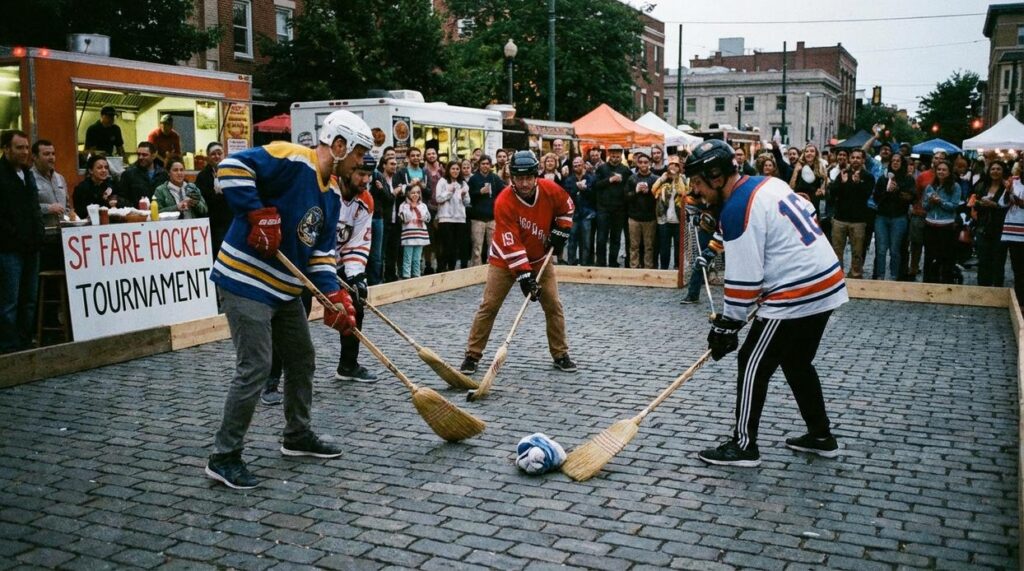
I’ve played in more adult rec hockey tournaments than I can count, and I still get that rush when I step on the ice for the opening faceoff.
You’re probably thinking about signing up for your first tournament but don’t know where to start. Or maybe you’ve played a few and want to show up better prepared next time.
Here’s the thing: most rec players jump into tournaments without knowing what they’re getting into. They pick the wrong division, forget half their gear, or show up exhausted because they didn’t plan their weekend right.
I’ve made all those mistakes. So have the players and coaches I’ve worked with over the years at sffarehockey.
This guide covers everything you need to know before you register. I’ll show you how to find tournaments that match your skill level, what to pack (and what you can skip), and how to prepare so you’re not gassed by your second game.
We focus on practical advice that works in real game situations. Not theory. Not what should work. What actually works when you’re playing three games in two days.
You’ll learn how to pick the right tournament, get your body ready, and handle game day without the stress.
By the time you finish reading, you’ll know exactly what to do before that first puck drops.
Understanding the Rec Tournament Landscape
Not all rec tournaments work the same way.
I’ve played in dozens of these events across different states, and the format you choose makes a huge difference in your experience.
Most weekend tournaments give you three to five guaranteed games. You show up Friday night, play Saturday morning and afternoon, then finish Sunday. Win or lose, you’re getting ice time.
One-day jamborees are different. You might get two or three games packed into a single day. They’re great if you can’t commit to a full weekend but still want competitive hockey.
Then you’ve got the specialty formats. 3-on-3 and 4-on-4 tournaments are picking up steam because they’re fast and you touch the puck way more often.
Finding Your Division
Here’s where most players mess up.
Tournaments typically break into skill divisions: A, B, C, D, and Novice or Beginner. The letters aren’t standardized across all events (what counts as B-level in one tournament might be C-level somewhere else), but the concept stays the same.
Playing up a division because you think you’re better than you are? You’ll get smoked and won’t have fun.
Playing down? You’ll dominate but learn nothing, and honestly, it’s kind of a jerk move.
According to USA Hockey’s 2023 participation report, over 60% of adult players compete at the C or D level. That’s where most of the action is.
I always tell people at sffarehockey to be honest about their skills. If you played high school hockey 15 years ago and haven’t skated much since, you’re probably not an A-level player anymore.
The Free Agent Option
Don’t have a full team? No problem.
Most tournaments let you sign up as a free agent. They’ll place you with a team that needs extra skaters. I’ve done this probably 20 times, and it’s how I’ve met some of my best hockey friends.
You fill out a form with your skill level and position. The tournament organizer matches you with a team. Show up, introduce yourself, and play.
Some people worry it’ll be awkward. It’s not. Everyone’s there for the same reason.
More Than Just Hockey
Look, the games matter. But that’s not why most of us keep coming back.
It’s the beer after the game where you replay that goal you scored. The breakfast Sunday morning where everyone’s sore and laughing about the guy who fell during warmups. The group chat that stays active for months after the tournament ends.
I’ve been to weddings of people I met at rec tournaments. That’s not an exaggeration.
The hockey brings you together. The friendships keep you coming back.
How to Find and Choose the Right Tournament
You’ve decided to play in a tournament.
Now comes the hard part. Actually finding one that doesn’t suck.
I’ve played in tournaments where the ice time was great but the locker rooms smelled like a crime scene. Others promised competitive play but matched us against teams that hadn’t touched a puck in years.
Here’s what most people don’t tell you. Finding a tournament isn’t hard. Finding the right tournament takes some work.
Where to Actually Look
Start with your local rink’s website. Most facilities post their tournament schedules months in advance (and sometimes offer early bird discounts if you’re paying attention).
Check online directories next. Sites like Sffarehockey aggregate tournament listings by region and skill level. Social media hockey groups work too, especially Facebook groups for adult leagues in your area. To find local hockey tournaments that suit your skill level, be sure to check the Homepage of websites like sffarehockey, which specialize in aggregating such listings by region. To find local hockey tournaments that suit your skill level, be sure to check the of reputable tournament aggregators, as they often provide updated listings tailored to your region and expertise.
But honestly? The best intel comes from teammates. Ask around your league. Someone always knows about a solid tournament coming up.
Questions You Need to Ask
Before you commit, get clear answers.
What’s the total cost per player? Some tournaments advertise one price but then hit you with fees for refs, ice time, or even jerseys. Know what you’re actually paying for.
How many games are guaranteed? Three games minimum should be standard. Anything less and you’re basically paying for expensive pickup hockey.
What are the facilities like? You’ll spend hours at this rink. Check if they have decent locker rooms, a pro shop for emergency tape runs, and food options that aren’t just vending machines.
What are the rules? Specifically about skill level verification, roster limits, and conduct policies. You don’t want to show up and find out half your team doesn’t qualify.
Team Entry vs. Going Solo
Got a full roster? Team entry gives you control over who you play with and locks in your schedule.
Flying solo? Individual player registration offers flexibility. You’ll get placed on a team, which means you might play with strangers. Sometimes that’s great. Sometimes it’s not.
The choice depends on whether you value chemistry or convenience more.
Your 4-Week Pre-Tournament Preparation Plan
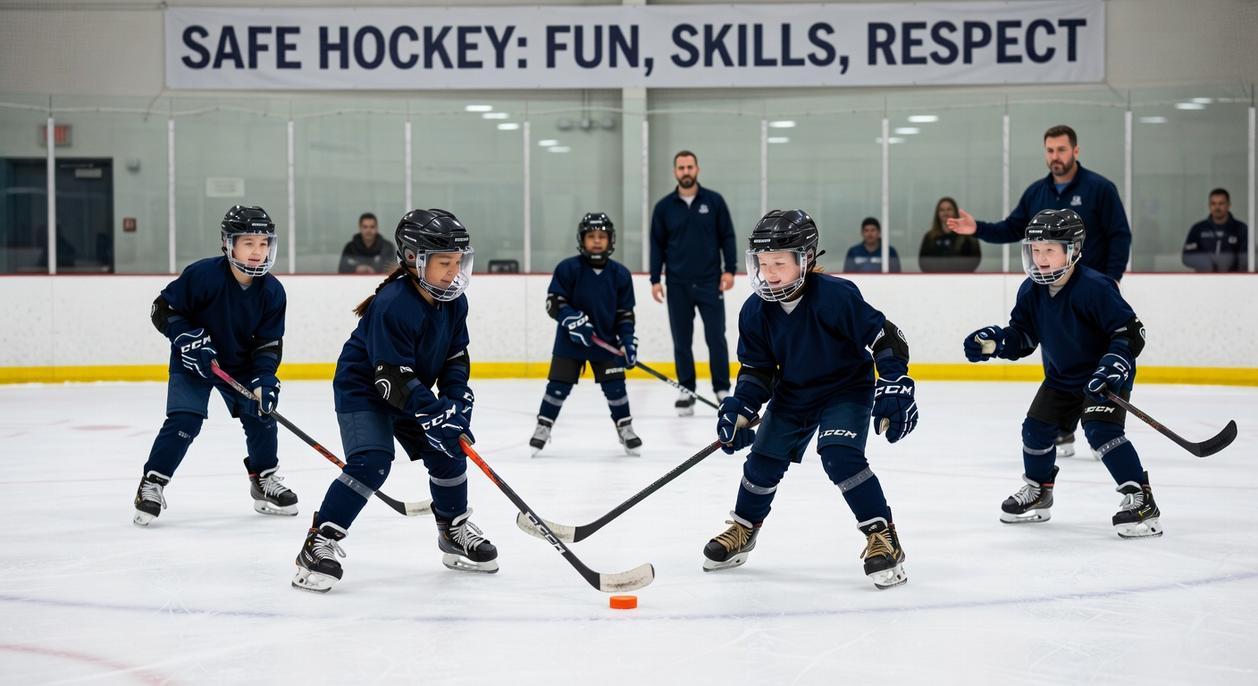
You’ve got a tournament coming up and you want to show up ready.
Not just ready to skate around. Ready to actually compete.
I’m going to walk you through exactly what you need to do in the next four weeks. This isn’t about becoming a different player. It’s about getting the most out of what you already have.
Off-Ice Fitness & Conditioning
Start with interval sprints on a bike or treadmill. I’m talking 30 seconds hard, 90 seconds easy. That’s what a shift feels like and your body needs to remember.
Hit the weight room twice a week. Focus on squats and lunges for your legs. Add planks and Russian twists for your core. You need power in your stride and stability when you’re battling along the boards.
Don’t skip mobility work. Spend 10 minutes after each workout on hip flexors and groin stretches. (Trust me, a pulled groin two days before your tournament is not the experience you want.)
On-Ice Skills & Team Tactics
Get to stick and puck sessions or drop-in hockey at least once a week. Work on your edges, practice your shot from different angles, and handle the puck at game speed.
If you’re playing with a set team, schedule one full practice before the tournament. Run through your breakout system and power play setup. Even basic systems fall apart when nobody’s practiced them in months.
Drill game situations that actually matter. Take faceoffs until your wrists hurt. Practice defensive zone coverage with real pressure. Work on quick transitions from defense to offense because that’s where Sffarehockey Statistics From Sportsfanfare show most goals come from in rec tournaments.
Mental Game Prep
Set goals that make sense for where you are. Most rec players should focus on competing hard and enjoying the experience. That’s not settling. That’s being smart about what success looks like.
Spend five minutes before bed visualizing good plays. See yourself making a solid defensive stop. Picture a crisp tape-to-tape pass. Imagine burying a one-timer.
Your brain doesn’t know the difference between visualization and real practice. Use that.
The Ultimate Game Day & Tournament Weekend Checklist
Packing Your Hockey Bag Like a Pro
Do a full equipment check a week before you leave. I can’t tell you how many times I’ve seen players scrambling in the parking lot because they didn’t notice their skate blade was loose or their stick had a hairline crack.
Sharpen your skates. Check stick blades for damage. Make sure all your padding is still intact.
Some players say you don’t need a backup stick for local tournaments. They figure they can borrow one if something breaks. But here’s the reality: when your twig snaps in the third period, nobody’s lending you their favorite stick. Pack a backup.
Throw in extra skate laces, clear and colored tape, and a small helmet repair kit. Bring both your light and dark jersey (you’d be surprised how often refs change their minds about which team wears what).
And don’t skip the comfort stuff. Sandals for the locker room, a towel, and clothes that don’t smell like a hockey bag. Your teammates will thank you.
Pro tip: Keep a permanent checklist in your phone and review it every time you pack.
Fueling for Performance
Eat complex carbs and lean protein about two to three hours before your first game. Skip the greasy pregame burger.
I know some guys at sffarehockey swear by playing on an empty stomach. They say it makes them feel lighter and faster. But most research shows that’s just leaving energy on the table (literally). While some players insist that competing on an empty stomach enhances their agility, the Sffarehockey Statistics From Sportsfanfare suggest that proper nutrition can significantly improve overall performance on the ice. While the debate over whether playing on an empty stomach truly enhances agility rages on among players, the Sffarehockey Statistics From Sportsfanfare reveal that optimal nutrition significantly contributes to overall performance and endurance on the ice.
Start hydrating the day before. During games, drink water consistently and consider an electrolyte drink between periods.
For those back-to-back tournament games, pack light snacks. Fruit, granola bars, or a protein shake work well. You need fuel without feeling like you swallowed a brick.
Lace Up for an Unforgettable Experience
You came here wondering where to start with recreational hockey tournaments.
Now you have a plan.
You know how to find the right tournament for your skill level. You understand what gear you need and how to prepare your body. You’ve got the nutrition basics down and a strategy for game day.
That uncertainty you felt at the beginning? It’s gone.
Here’s why this approach works: preparation isn’t just about playing better. It’s about enjoying the game more. When you’re fit and ready, you can focus on what matters (having fun with your teammates and making plays you’ll talk about for years).
The tournaments are out there waiting for you.
Start your search today. Talk to your teammates and get everyone on board. Pick a date that works and commit to it.
sffarehockey exists to help players like you get the most out of every game. We’ve seen what happens when players show up prepared versus when they wing it.
The difference is night and day.
Your next step is simple: find a tournament and register. Then start working through your prep checklist.
The ice is calling. Time to answer. Sffarehockey Statistics Today. Sffarehockey Statistics Yesterday.
 There is a specific skill involved in explaining something clearly — one that is completely separate from actually knowing the subject. Tony S. has both. They has spent years working with stick handling mastery in a hands-on capacity, and an equal amount of time figuring out how to translate that experience into writing that people with different backgrounds can actually absorb and use.
Tony tends to approach complex subjects — Stick Handling Mastery, Pro Guides, Game Day Preparation Tips being good examples — by starting with what the reader already knows, then building outward from there rather than dropping them in the deep end. It sounds like a small thing. In practice it makes a significant difference in whether someone finishes the article or abandons it halfway through. They is also good at knowing when to stop — a surprisingly underrated skill. Some writers bury useful information under so many caveats and qualifications that the point disappears. Tony knows where the point is and gets there without too many detours.
The practical effect of all this is that people who read Tony's work tend to come away actually capable of doing something with it. Not just vaguely informed — actually capable. For a writer working in stick handling mastery, that is probably the best possible outcome, and it's the standard Tony holds they's own work to.
There is a specific skill involved in explaining something clearly — one that is completely separate from actually knowing the subject. Tony S. has both. They has spent years working with stick handling mastery in a hands-on capacity, and an equal amount of time figuring out how to translate that experience into writing that people with different backgrounds can actually absorb and use.
Tony tends to approach complex subjects — Stick Handling Mastery, Pro Guides, Game Day Preparation Tips being good examples — by starting with what the reader already knows, then building outward from there rather than dropping them in the deep end. It sounds like a small thing. In practice it makes a significant difference in whether someone finishes the article or abandons it halfway through. They is also good at knowing when to stop — a surprisingly underrated skill. Some writers bury useful information under so many caveats and qualifications that the point disappears. Tony knows where the point is and gets there without too many detours.
The practical effect of all this is that people who read Tony's work tend to come away actually capable of doing something with it. Not just vaguely informed — actually capable. For a writer working in stick handling mastery, that is probably the best possible outcome, and it's the standard Tony holds they's own work to.