
If you’re looking to sharpen your edge on the ice, refine your tactics, and elevate your overall performance, you’re in the right place. This article breaks down the latest pro hockey trends, practical stick handling techniques, athlete conditioning strategies, and the game-day habits that separate average players from impact performers. Whether you’re a competitive athlete or a dedicated fan of the sport, the goal here is simple: give you clear, actionable insights you can apply immediately.
We’ve analyzed current professional gameplay patterns, studied evolving tactical systems, and reviewed proven fitness protocols used at elite levels to ensure the guidance you’re reading reflects how the modern game is actually played. From mastering puck control under pressure to building a consistent pre-game routine that primes both body and mind, every section is designed to help you prepare smarter and perform with confidence when it matters most.
Why Your Best Performance Begins Hours Before the Whistle
Inconsistent performance usually isn’t about talent—it’s about preparation. Winging it vs. following a structured plan is the difference between shaky starts and controlled dominance. A scattered warm-up leaves your body guessing. A deliberate pre-game routine primes your nervous system, stabilizes focus, and fuels confidence (think Rocky training in the cold before the big fight).
A vs. B: Preparation That Wins
OPTION A: Scroll your phone, rush stretches, grab random snacks. Result? Elevated cortisol (the stress hormone) and mental fog.
OPTION B: Timed mobility, visualization, balanced carbs + protein, breath control. Result? CALM. POWER. EXECUTION.
One builds anxiety. The other builds certainty. Choose wisely.
The 24-Hour Fueling Protocol: What and When to Eat
Preparation doesn’t start at puck drop. In fact, the real work begins the day before.
The Day Before: Focus on loading glycogen—your muscles’ stored form of carbohydrate and primary high-intensity fuel (think of it as premium gas for your engine). Oats, brown rice, and sweet potatoes paired with lean protein help stock those reserves. Especially during a tournament weekend at high-altitude rinks like Denver, where oxygen demand is higher, topping off glycogen matters even more. This is not the time to test that trendy new pasta spot (save it for the offseason).
Game Day Morning (3–4 Hours Out): Now shift to a familiar, easily digestible meal. Carbs provide quick energy, while moderate protein supports muscle repair. Avoid heavy cream sauces or fiber bombs—they slow gastric emptying, which can leave you feeling sluggish during first shift.
The 90-Minute Window: If nerves or early puck drop demand it, grab a simple carb like a banana or gel. It tops off blood glucose without weighing you down.
Hydration Strategy: Sip fluids steadily across the full 24 hours. Electrolytes—minerals that regulate muscle contraction—are key in cold rinks where sweat loss goes unnoticed. Avoid last-minute chugging.
Above all, stick to a consistent pre-game routine to keep your body predictable and game-ready.
Mastering the Inner Game: Mental Rehearsal and Focus Techniques
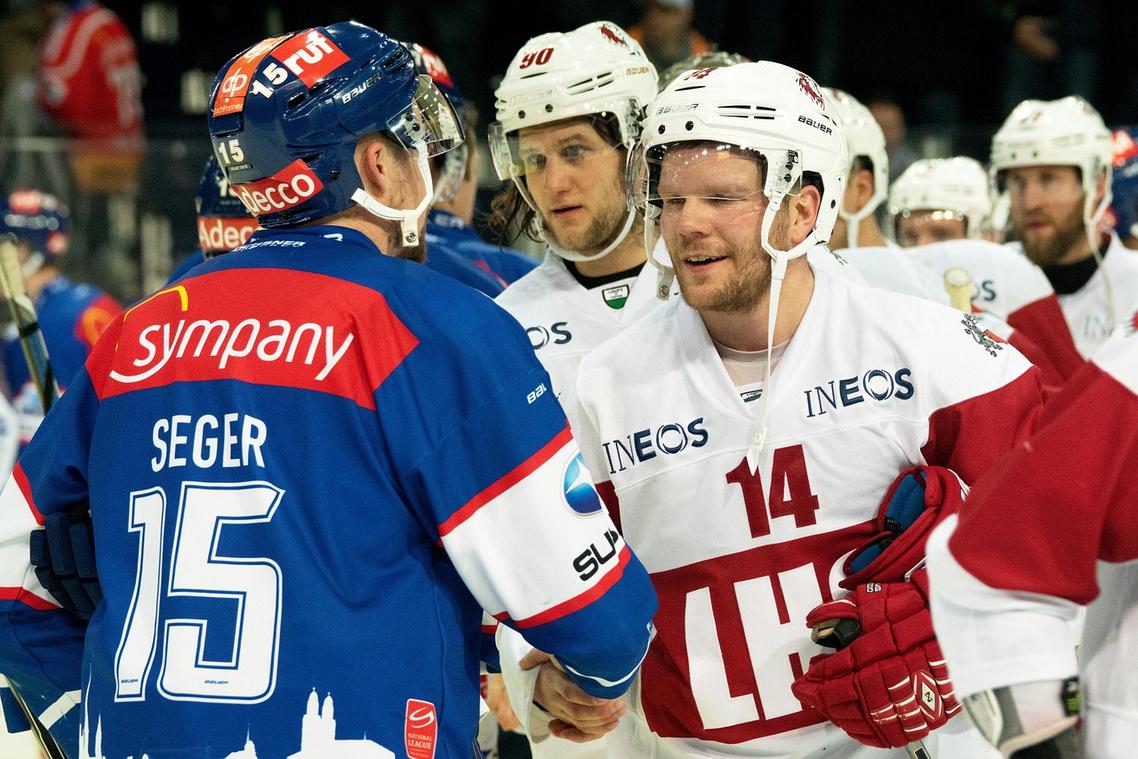
Physical skill gets the highlight reel. Mental skill wins the tight games.
Let’s start with visualization. Set aside 10–15 minutes the night before and again on game day. Close your eyes and mentally “run film” of yourself executing clean passes, winning board battles, and finishing plays. Picture specific moments—down by one, last shift, tired legs—and see yourself responding with poise. This process, called mental rehearsal (the practice of vividly imagining successful performance), activates similar neural pathways as physical reps (Guillot & Collet, 2008). In other words, your brain treats it like practice.
Some players argue visualization feels forced or “woo-woo.” Fair. But elite athletes from Michael Phelps to NHL veterans publicly credit it as part of preparation (Weinberg & Gould, Foundations of Sport and Exercise Psychology). If it’s good enough for pros, it’s worth 10 minutes.
Next, control pre-game jitters with box breathing: inhale 4 seconds, hold 4, exhale 4, hold 4. Repeat for 2–3 minutes. This technique stimulates the parasympathetic nervous system, lowering heart rate and cortisol (Jerath et al., 2015). Think of it as a reset button between warmups and puck drop.
Now build a focus trigger—a repeatable cue that signals “game mode.” It could be a specific song, tightening your gloves the same way, or tapping your stick twice at center ice. Over time, that action becomes psychologically linked to readiness (like Pavlov, but with better skates).
Equally important: script your self-talk. Replace “Don’t mess up” with clear instructions like “Head up. Quick release.” Instructional cues sharpen attention under pressure.
Finally, tie it all together with a consistent pre-game routine. Preparation off the ice matters too—review these travel and recovery tips for away games: https://sffarehockey.com.co/travel-and-recovery-tips-for-away-games/
Pro tip: Write your routine down and rehearse it weekly. Confidence loves repetition.
The Physical Blueprint: Priming Your Body for Action
Championship moments rarely start at puck drop; they start in the warm-up lane. Phase 1 is about raising your core temperature with 5–10 minutes of light aerobic work—easy jogging, cycling, or jump rope. This increases blood flow, meaning more oxygen reaches working muscles (the basic fuel delivery system). Studies show active warm-ups can enhance power output and reduce injury risk (Behm & Chaouachi, 2011). In other words, you’re turning the engine on, not flooring it in park.
Next, transition into dynamic stretching. Unlike static stretching—holding a muscle in one position—dynamic movements like leg swings, walking lunges with a twist, and arm circles move joints through range while maintaining explosiveness. Some argue static stretching is harmless before competition. However, evidence suggests prolonged holds may temporarily decrease peak power (Simic et al., 2013). When milliseconds matter, that dip counts.
Then comes activation. Resistance bands help “fire up” the glutes, hips, and core—the primary movers and stabilizers. Think of this as plugging in the Wi-Fi before streaming the big game (yes, that frustration). Proper activation supports joint alignment and may lower injury risk.
Finally, layer in sport-specific skills for neural priming. Gradually intensify stick handling, passing, dribbling, or shooting drills. This reinforces a consistent pre-game routine while sharpening reaction time.
Looking ahead, I predict wearable tech will personalize warm-ups in real time, adjusting intensity based on muscle readiness scores. Speculation? Absolutely. But smarter preparation is where elite performance is headed. The future starts before play.
Building Your Personal Game Day Ritual: A Timeline
A great performance rarely starts at puck drop—it starts the day before. Here’s a practical, repeatable system you can follow.
T-24 Hours: Eat a balanced meal built around complex carbs (like brown rice or sweet potatoes) to fuel glycogen stores. Pack your gear now (because hunting for a mouthguard at the last minute is not elite preparation).
T-4 Hours: Have your pre-game meal and begin visualization. Picture your first shift—where you skate, how you react.
T-90 Minutes: Arrive early. Light snack if needed.
T-60 Minutes: Dynamic warm-up, activation, then sport-specific reps.
T-15 Minutes: Mental check-in. Use your focus trigger. Commit to your consistent pre-game routine.
From preparation to performance is never accidental. You now have a framework to replace uncertainty with control. Some athletes argue that spontaneity fuels greatness, that rigid structure dulls instinct. But instinct sharpens when preparation is automatic. A consistent pre-game routine reduces decision fatigue and stabilizes energy, turning nerves into focus. Confidence grows from repetition, not hope. Fuel your body, prime your mind, activate your mechanics. Test these elements in practice, refine timing, and protect the habits that deliver reliable starts. Dominant performance isn’t a mood; it’s a method repeated until pressure feels familiar. Make it unbreakable, and watch inconsistency disappear.
Own Your Edge Before the Puck Drops
You came here to sharpen your approach to game day—and now you understand how preparation, focus, and smart execution separate average performances from dominant ones. When your timing feels off, your hands aren’t connecting, or your energy dips early, it’s rarely about talent. It’s about preparation.
The difference-maker is a consistent pre-game routine that locks in your mindset, activates your body, and sharpens your stick handling before you ever step onto the ice. When you prepare with intention, you eliminate doubt and play with confidence from the first shift.
Don’t let inconsistent preparation hold back your performance. Take control of your warm-up, dial in your habits, and commit to refining your edge every single game.
If you’re ready to elevate your hockey IQ, tighten your mechanics, and gain a true competitive advantage, explore our expert-backed training insights today. Join the players who trust our proven strategies to level up their game—start now and make your next performance your strongest yet.