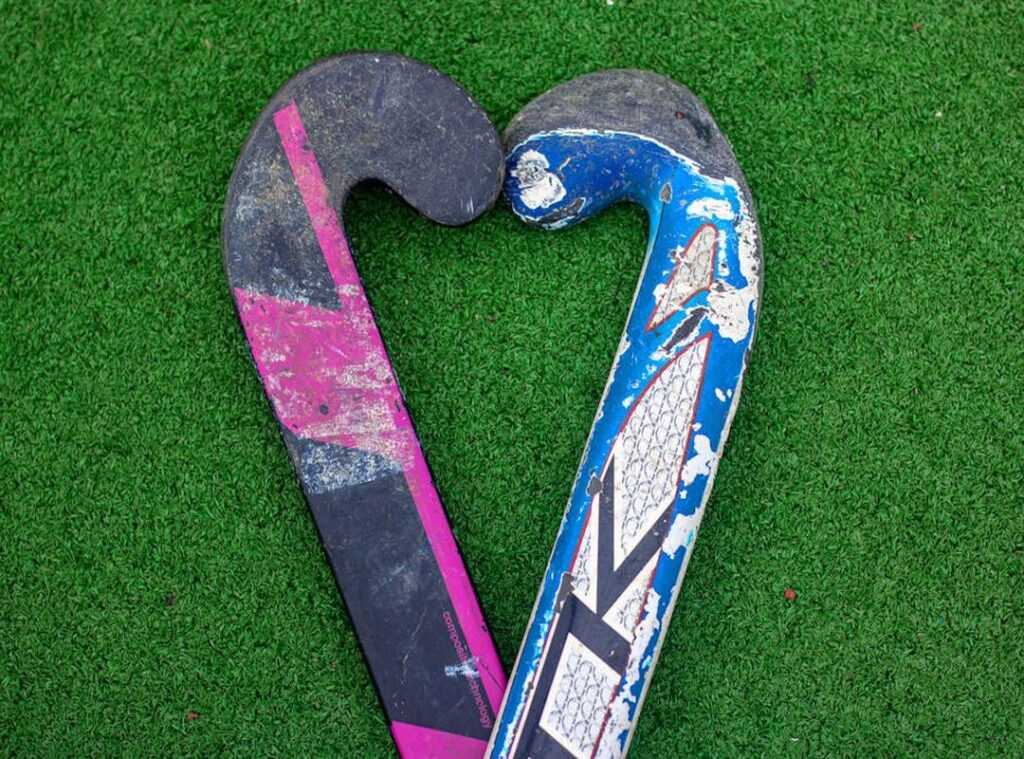

Hockey is faster, more tactical, and more physically demanding than ever. Whether you’re looking to sharpen your edge work, improve stick handling under pressure, or understand the pro-level systems shaping today’s game, this article is built to give you practical, performance-driven insight. Many players and fans struggle to separate outdated advice from strategies that actually work on the ice. Here, you’ll find clear breakdowns of modern hockey tactics, athlete conditioning principles, and skill development methods that translate directly into game situations.
We draw from current pro sports trends, established coaching methodologies, and sports performance research to ensure the guidance reflects how the game is truly played today. From mastering puck control to optimizing your pre-game warm-up routine, every section is designed to help you prepare smarter and compete harder. If your goal is to elevate your hockey IQ and on-ice execution, you’re in the right place.
The Winning Edge: Mastering Your Pre-Game Ritual
You train relentlessly—yet performance fluctuates. The gap isn’t effort; it’s structure. An inconsistent or rushed pre-game warm-up routine leaves variables unchecked (and games are won in the margins).
This guide gives you a repeatable system built on elite-performance principles—controlling nutrition, mental priming, and physical activation before the whistle.
Why it matters: Predictability breeds confidence.
• Nutrition timing: 60–90 minutes pre-game, prioritize carbs plus moderate protein (Burke et al., 2011).
• Mental cues: Visualization improves motor performance (Guillot & Collet, 2008).
• Activation: Progressive dynamic movement enhances power output (Behm & Chaouachi, 2011).
Most competitors stop at stretches. You won’t.
The Final 48 Hours: Fueling for Peak Performance

Peak performance doesn’t start at puck drop—it starts 48 hours before. First, dial in hydration. Instead of chugging water on game day (which mostly sends you sprinting to the bathroom), aim for about 0.6–0.7 ounces of water per pound of body weight daily. For a 180-pound athlete, that’s roughly 110–125 ounces. Add electrolytes to one bottle to maintain fluid balance, especially during your pre-game warm-up routine.
Next, strategically increase complex carbohydrates to top off glycogen stores (your muscles’ stored fuel). Two days out, build meals around quinoa, sweet potatoes, oats, and whole-wheat pasta. For example, swap a salad-heavy dinner for grilled chicken, roasted sweet potatoes, and rice. Contrary to popular belief, carb-loading doesn’t mean crushing a giant pasta bowl the night before—steady increases work better.
The Pre-Competition Meal
Three to four hours before competition, eat lean protein plus complex carbs, keeping fat and fiber low for easier digestion. Try grilled chicken, white rice, and steamed zucchini. Alternatively, oatmeal with banana and a side of eggs works well.
Finally, avoid greasy foods, excessive fiber, and sugary drinks. They can cause crashes or stomach distress (not exactly highlight-reel material). Fuel smart, and your body will respond in kind.
Mind Over Matter: The Mental Rehearsal
Physical training gets the glory, but mental rehearsal is where games are quietly won (usually before the puck even drops). Visualization, or the practice of mentally simulating performance, helps athletes prime their brain for real competition. Start by closing your eyes and picturing the rink in detail—the sound of skates cutting ice, the chill in the air, the boards rattling. Next, visualize executing key plays flawlessly. Then—and this is crucial—imagine setbacks. See yourself losing possession or missing a shot, then calmly recovering and making the next smart play. Your brain encodes these reps almost like physical ones (Guillot & Collet, 2008). Pro tip: keep sessions under 10 minutes to stay sharp.
However, some argue visualization is “just daydreaming.” Not quite. Structured imagery improves motor performance and confidence when practiced intentionally (Driskell et al., 1994).
Meanwhile, nerves before a big game are normal. To manage them, try Box Breathing: inhale for four seconds, hold for four, exhale for four, hold for four. This tactical breathing technique lowers heart rate and stabilizes focus—perfect for the locker room or right before your pre-game warm-up routine.
Next, develop a focus trigger. A focus trigger is a physical cue (like tapping your stick twice) or a phrase (“Next shift”) that signals your brain to block distractions. Think of it as flipping a mental switch—minus the dramatic movie soundtrack.
Finally, script positive self-talk. Replace “Don’t mess up” with “Strong, fast, ready.” If you need more structured mental preparation techniques before a big match, explore proven methods that sharpen confidence and composure. Because sometimes, the toughest opponent is the voice in your own head.
Game Day Activation: The Physical Warm-Up Protocol
Phase 1 – Raising Core Temperature: Start with 5–10 minutes of light aerobic activity like jogging or cycling to elevate heart rate and increase blood flow to working muscles. This isn’t just tradition; higher muscle temperature improves power output and reduces injury risk, according to sports medicine research (American College of Sports Medicine). Personally, I think skipping this step is like revving a cold engine—you’ll feel it later.
Next, Phase 2 – Dynamic Stretching: prioritize movement-based stretches such as leg swings, walking lunges with a twist, and arm circles. Dynamic means controlled, active motion, not long holds. Static stretching—holding a muscle in place—can temporarily reduce explosive strength, so save it for post-game recovery. In my view, this is where your pre-game warm-up routine either sharpens you or slows you down.
Then, Phase 3 – Neural Priming: add short, explosive efforts like box jumps, short sprints, or medicine ball slams. This “wakes up” the central nervous system—the communication highway between brain and muscle. Think of it as flipping the switch before puck drop.
Finally, Phase 4 – Sport-Specific Drills: transition into stickhandling progressions and shooting reps, gradually building to game speed. Some argue this full progression is excessive, preferring minimal warm-ups to conserve energy. I disagree. Done correctly, you’re not draining the tank; you’re calibrating it. By the opening shift, your body shouldn’t be surprised—it should be ready. Preparation builds confidence, and confidence often decides tight games before skill ever takes over truly.
Logistics and Gear: Eliminating Last-Minute Stress
The night-before checklist is nonnegotiable. Lay out every piece of gear, inspect for cracks, loose screws, and frayed laces. Comfort beats superstition; the “I’ll just wing it” crowd is wrong. PACK EARLY. Toss backups into your bag—extra laces, spare stick, fresh tape—plus one comfort item like a favorite snack or headphones (silence is golden). Plan your route, check traffic, and leave early; rushing spikes cortisol, which research links to poorer decision-making (American Psychological Association). Arriving calm is a competitive advantage, especially before your pre-game warm-up routine. That’s how pros stay READY.
Years ago, I skated into a playoff game feeling invincible—until the puck dropped and my legs felt like concrete. I had no plan, just vibes. Without a routine, you leave your physical and mental state to chance. Over time, I built a disciplined pre-game warm-up routine focused on fuel, breath, and mobility. It wasn’t superstition; it was control. Think Rocky running the steps, not for luck but preparation. This framework covers body, mind, and nutrition, so nothing is random. Start drafting yours today, test it weekly, and refine it until excellence feels automatic. Then trust it when lights blaze bright.
Take Control of Your Game From the First Shift
You came here to sharpen your edge and elevate your performance on the ice. Now you understand how refining your pre-game warm-up routine, tightening your stick handling, and preparing your body the right way directly impact your speed, confidence, and decision-making during real game pressure.
Too many players struggle with inconsistency. One night they feel explosive and sharp — the next, they’re a step behind. That frustration usually comes from poor preparation, not lack of talent. When your warm-up, tactical awareness, and conditioning align, your performance becomes reliable.
Here’s your move: commit to upgrading your preparation starting this week. Dial in your pre-game warm-up routine, track your progress, and apply these tactics in every practice. If you want proven strategies trusted by serious players who refuse to stay average, dive deeper into our expert hockey insights and training breakdowns now. Don’t leave your performance to chance — take control before your next puck drop.
 William B. has opinions about hot topics in pro sports. Informed ones, backed by real experience — but opinions nonetheless, and they doesn't try to disguise them as neutral observation. They thinks a lot of what gets written about Hot Topics in Pro Sports, Pro Guides, Athlete Fitness and Endurance is either too cautious to be useful or too confident to be credible, and they's work tends to sit deliberately in the space between those two failure modes.
Reading William's pieces, you get the sense of someone who has thought about this stuff seriously and arrived at actual conclusions — not just collected a range of perspectives and declined to pick one. That can be uncomfortable when they lands on something you disagree with. It's also why the writing is worth engaging with. William isn't interested in telling people what they want to hear. They is interested in telling them what they actually thinks, with enough reasoning behind it that you can push back if you want to. That kind of intellectual honesty is rarer than it should be.
What William is best at is the moment when a familiar topic reveals something unexpected — when the conventional wisdom turns out to be slightly off, or when a small shift in framing changes everything. They finds those moments consistently, which is why they's work tends to generate real discussion rather than just passive agreement.
William B. has opinions about hot topics in pro sports. Informed ones, backed by real experience — but opinions nonetheless, and they doesn't try to disguise them as neutral observation. They thinks a lot of what gets written about Hot Topics in Pro Sports, Pro Guides, Athlete Fitness and Endurance is either too cautious to be useful or too confident to be credible, and they's work tends to sit deliberately in the space between those two failure modes.
Reading William's pieces, you get the sense of someone who has thought about this stuff seriously and arrived at actual conclusions — not just collected a range of perspectives and declined to pick one. That can be uncomfortable when they lands on something you disagree with. It's also why the writing is worth engaging with. William isn't interested in telling people what they want to hear. They is interested in telling them what they actually thinks, with enough reasoning behind it that you can push back if you want to. That kind of intellectual honesty is rarer than it should be.
What William is best at is the moment when a familiar topic reveals something unexpected — when the conventional wisdom turns out to be slightly off, or when a small shift in framing changes everything. They finds those moments consistently, which is why they's work tends to generate real discussion rather than just passive agreement.