When it comes to peak performance on the ice, talent and tactics are only part of the equation. Players searching for a reliable game day nutrition checklist want clear, practical guidance that fuels energy, sharpens focus, and supports endurance from warm‑ups through the final whistle. This article is designed to give you exactly that.
We break down what to eat, when to eat it, and how to hydrate for maximum impact—based on established sports nutrition research and insights commonly used by elite hockey programs. From pre-game carb timing to smart recovery choices, every recommendation is built around real performance demands, not generic diet advice.
If your goal is to skate harder in the third period, recover faster between shifts, and avoid the fatigue that costs games, this guide will give you a structured, easy-to-follow plan you can trust and apply immediately.
Fueling for Peak Performance: Your Game Day Nutrition Blueprint
Game day nutrition shouldn’t feel like a guessing game. This guide breaks down exactly what to eat—and when—to maximize energy, focus, and endurance from 24 hours before puck drop to the final whistle. Too many athletes rely on vibes instead of structure, and that’s why they hit pre-game fatigue, cramp mid-shift, or crash afterward. I’m a big believer that fueling is as strategic as line matching. Backed by sports science used in elite competition (American College of Sports Medicine), this game day nutrition checklist gives you a repeatable system—not a fad—for consistent, high-level performance.
The 24-Hour Countdown: Building Your Glycogen Stores
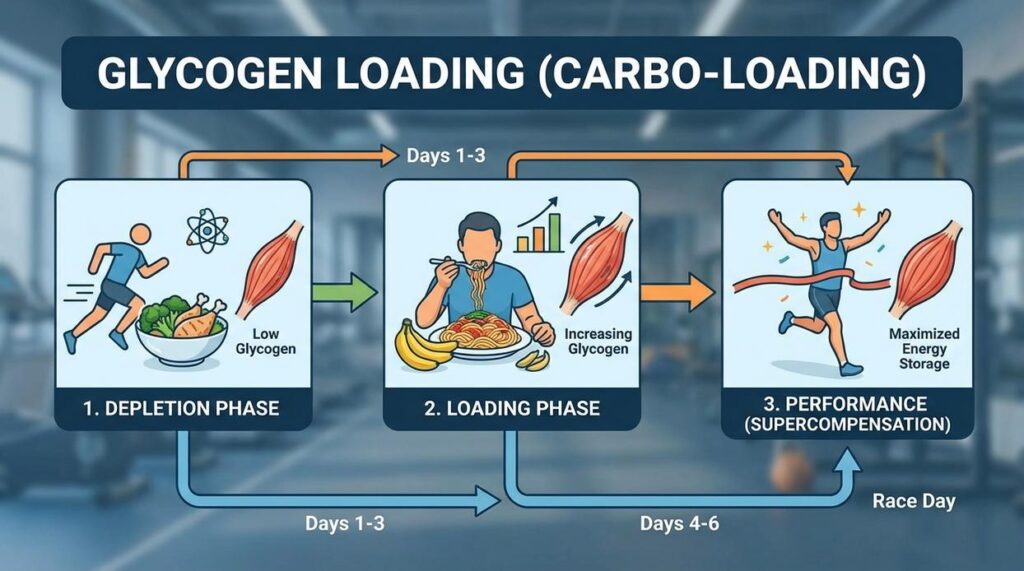
The final 24 hours before puck drop aren’t about last-minute drills—they’re about fuel. Carb-loading is the practice of maximizing glycogen, the stored form of carbohydrate in your muscles and liver. Glycogen is your body’s primary fuel source for high-intensity efforts like explosive sprints and hard forechecks (think overtime breakaway energy, not Sunday stroll energy).
What to Eat for Maximum Fuel
Focus on complex carbohydrates, which digest steadily and provide sustained energy:
- Oatmeal
- Brown rice
- Quinoa
- Sweet potatoes
- Whole-wheat pasta
These foods steadily top off glycogen stores, helping you maintain speed and power deep into the third period. Consistent carb intake throughout the day beats one massive dinner. (Your stomach will thank you.)
What to Avoid
Game day is not the time to experiment. Skip new foods, overly spicy meals, or high-fat dishes that slow digestion and may cause discomfort. Even if your teammate swears by a five-alarm chili ritual—don’t risk it.
Hydration Is Key
Sip water consistently all day. Don’t chug at the last minute. Aim for pale-colored urine as a simple hydration indicator. Add this to your game day nutrition checklist and treat it like taping your stick—non-negotiable. Pro tip: pair meals with water to build the habit naturally.
The Pre-Game Meal: The 3-4 Hour Window
If there’s one fueling moment you can’t afford to wing, it’s this one. The 3–4 hour pre-game meal is your primary energy load—meaning it “tops off” glycogen, the stored form of carbohydrate your muscles rely on for high-intensity bursts (like that third-period backcheck). According to the International Society of Sports Nutrition, adequate carbohydrate intake before competition improves performance and delays fatigue.
Some athletes argue they can eat closer to puck drop and feel fine. And sure, a light snack might work in a pinch. However, a full meal needs time to digest. Eat too late and you risk sluggishness as blood flow shifts to your stomach instead of your legs (not exactly highlight-reel material).
So what should your plate look like? Aim for:
- High complex carbohydrates (whole grains, sweet potatoes, quinoa) for sustained energy
- Moderate lean protein (chicken, turkey, salmon) to support muscle repair
- Low fat and fiber to reduce digestive distress
For example, try grilled chicken breast with a large serving of quinoa and steamed green beans. Or a turkey sandwich on whole-wheat bread with a side of fruit. Another solid option: salmon with a baked sweet potato and a small side salad (light dressing).
Meanwhile, don’t forget hydration. Drink 16–20 oz of water with this meal to stay on track with your game day nutrition checklist.
Pro tip: Test these meals during practice days first—never experiment on game day (unless you enjoy surprises).
The Final Top-Off: Fueling in the Last 60-90 Minutes
This is where the strategy shifts. Earlier meals focused on complex carbs—longer chains of sugar molecules that digest slowly and provide sustained energy. Now, in the final 60–90 minutes, the goal is quick-access fuel. Simple carbohydrates (sugars that digest rapidly) give your body immediate energy without sitting heavy in your stomach. The benefit? You step onto the ice feeling sharp, not sluggish.
Some athletes argue they don’t need a top-off snack if they ate well earlier. That can work—until adrenaline spikes and warm-ups drain stored glycogen. A small, smart boost now helps maintain explosiveness deep into the third period.
Just as important: keep fiber and fat low. Both slow digestion, pulling blood toward your stomach instead of your working muscles. That’s when cramps and nausea creep in (and nobody wants that during line rushes).
Quick Fuel Snack List:
- A banana
- A small bowl of applesauce
- A handful of pretzels or rice cakes
- A sports gel or energy chews
Finally, sip 8–10 oz of water or an electrolyte drink 20–30 minutes before puck drop—but don’t overdo it. Think controlled hydration, not chugging. Pair this with your game day nutrition checklist and refine your approach with how to build a consistent pre game routine.
In-Game and Post-Game: Sustain and Recover
Hockey doesn’t pause just because you’re tired. During intermissions, smart intra-game fueling—refueling during breaks—keeps energy steady and reaction time sharp. Sports drinks with electrolytes (minerals like sodium and potassium that regulate hydration) and simple sugars help maintain blood glucose. Orange slices or banana halves work too—they digest quickly and won’t sit heavy in your stomach (nobody backchecks well feeling bloated).
After the final whistle, the clock starts on the critical recovery window—the 30–60 minutes when your body is primed to repair muscle and restock glycogen, its stored carbohydrate fuel. Aim for a 3:1 carb-to-protein ratio. Chocolate milk, a protein shake blended with fruit, or Greek yogurt with berries are simple wins.
Pro tip: pack recovery fuel in your bag before puck drop—make it part of your game day nutrition checklist so you’re not scrambling post-game.
Building Your Personal Winning Formula
You now have a clear, timeline-based nutrition strategy to optimize performance. Random eating leads to random results; structured fueling prevents energy crashes that sabotage third-period legs. This system works because it matches intake to competition demands, from carb-loading windows to protein-focused recovery.
Your edge is preparation—most guides skip timing nuance and individualized testing.
Use this simple game day nutrition checklist during practice, not playoffs:
- Pre-game fuel window
- Hydration benchmarks
- Between-shift refuel
- Post-game recovery meal
Test, tweak, repeat. Never debut new foods on game day. Track energy, focus, and recovery metrics weekly for consistent competitive gains.
Take Control of Your Edge on the Ice
You came here to sharpen your understanding of pro-level hockey tactics, stick handling precision, athlete conditioning, and smarter preparation. Now you have the framework to elevate your performance and approach the game with confidence.
The difference between average and elite isn’t talent alone — it’s preparation. Missed details in conditioning, poor puck control habits, or inconsistent fuel on game day can quietly hold you back shift after shift. That frustration of knowing you could play better? It usually comes down to preparation gaps.
Start applying what you’ve learned today. Dial in your training habits. Refine your puck control under pressure. Most importantly, lock in your game day nutrition checklist so your energy, focus, and recovery never become liabilities.
If you’re serious about gaining a competitive edge, don’t stop here. Join thousands of dedicated players who rely on our expert hockey insights to sharpen their skills and game-day strategy. Take the next step now — train smarter, prepare better, and dominate your next shift.
 There is a specific skill involved in explaining something clearly — one that is completely separate from actually knowing the subject. Tony S. has both. They has spent years working with stick handling mastery in a hands-on capacity, and an equal amount of time figuring out how to translate that experience into writing that people with different backgrounds can actually absorb and use.
Tony tends to approach complex subjects — Stick Handling Mastery, Pro Guides, Game Day Preparation Tips being good examples — by starting with what the reader already knows, then building outward from there rather than dropping them in the deep end. It sounds like a small thing. In practice it makes a significant difference in whether someone finishes the article or abandons it halfway through. They is also good at knowing when to stop — a surprisingly underrated skill. Some writers bury useful information under so many caveats and qualifications that the point disappears. Tony knows where the point is and gets there without too many detours.
The practical effect of all this is that people who read Tony's work tend to come away actually capable of doing something with it. Not just vaguely informed — actually capable. For a writer working in stick handling mastery, that is probably the best possible outcome, and it's the standard Tony holds they's own work to.
There is a specific skill involved in explaining something clearly — one that is completely separate from actually knowing the subject. Tony S. has both. They has spent years working with stick handling mastery in a hands-on capacity, and an equal amount of time figuring out how to translate that experience into writing that people with different backgrounds can actually absorb and use.
Tony tends to approach complex subjects — Stick Handling Mastery, Pro Guides, Game Day Preparation Tips being good examples — by starting with what the reader already knows, then building outward from there rather than dropping them in the deep end. It sounds like a small thing. In practice it makes a significant difference in whether someone finishes the article or abandons it halfway through. They is also good at knowing when to stop — a surprisingly underrated skill. Some writers bury useful information under so many caveats and qualifications that the point disappears. Tony knows where the point is and gets there without too many detours.
The practical effect of all this is that people who read Tony's work tend to come away actually capable of doing something with it. Not just vaguely informed — actually capable. For a writer working in stick handling mastery, that is probably the best possible outcome, and it's the standard Tony holds they's own work to.